Are Garbage Disposals Bad for Septic Systems?

Garbage disposals have become a common fixture in many kitchens, offering a convenient way to dispose of food scraps and reduce household waste. However, when it comes to homes that rely on septic systems rather than municipal sewer lines, the question arises: Are garbage disposals bad for septic systems? The answer is nuanced and depends on a variety of factors including usage habits, system maintenance, and the overall design of the septic system.
Understanding How Septic Systems Work
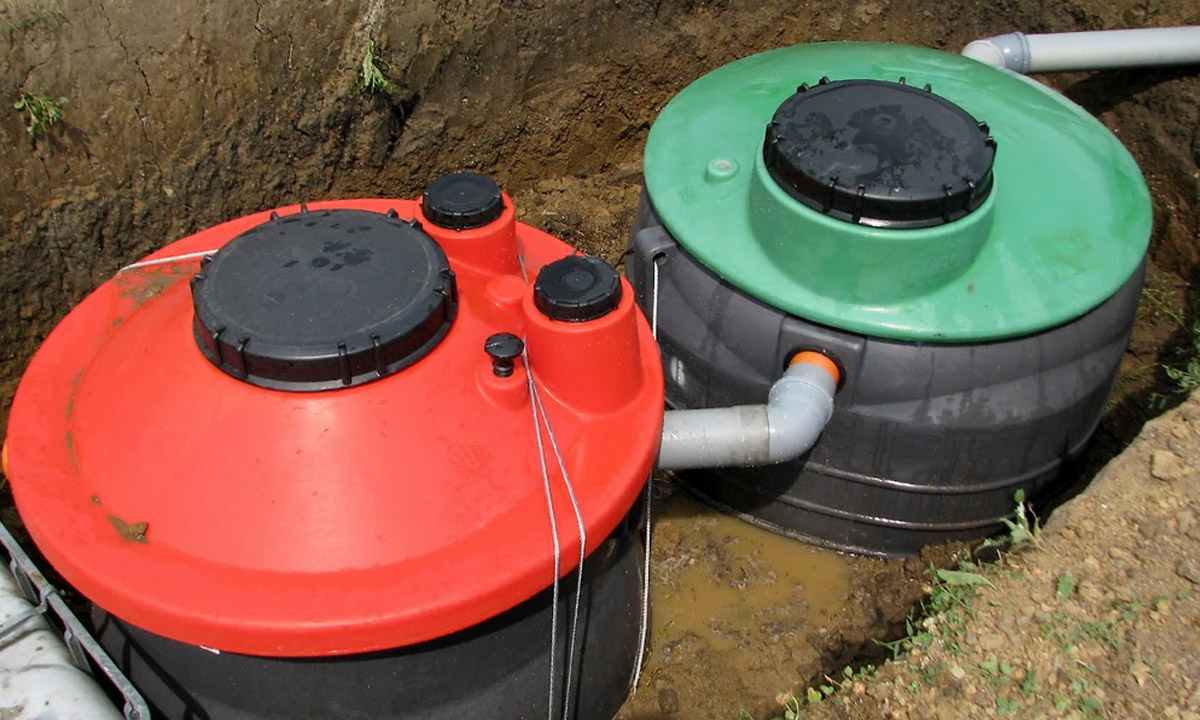
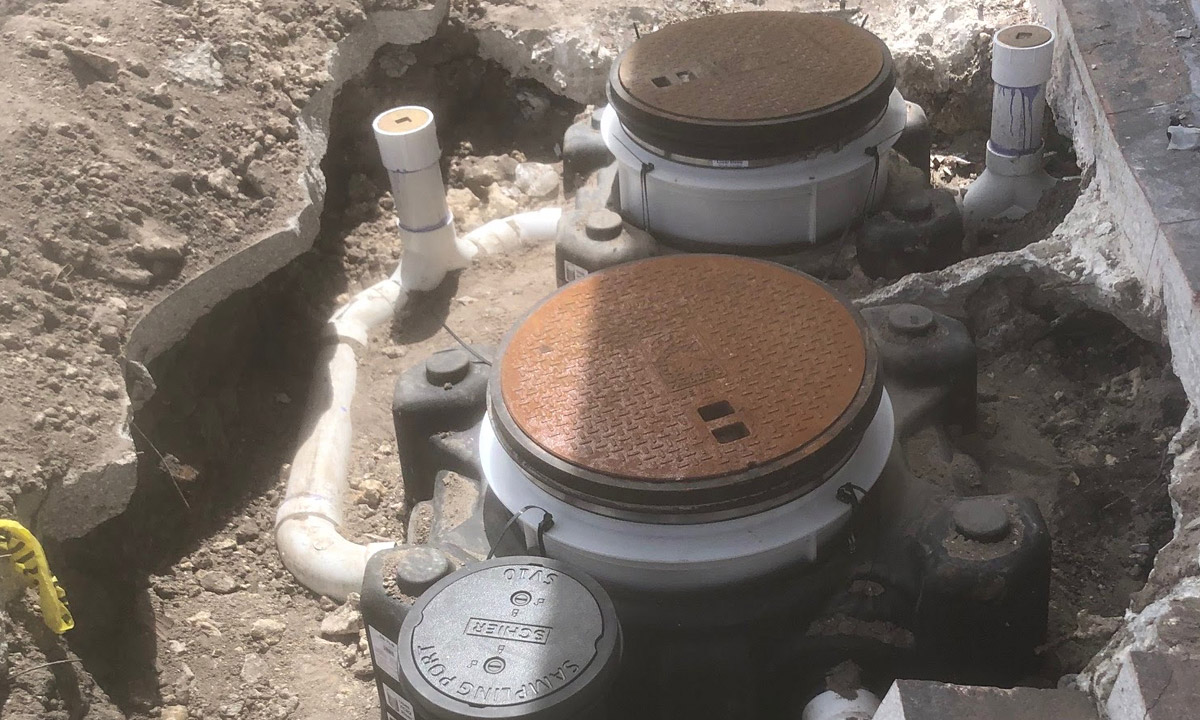
To assess the compatibility of garbage disposals with septic systems, it’s important to understand how these systems function. A septic system typically includes a septic tank and a drain field. Wastewater from the household flows into the tank, where solids settle at the bottom to form sludge, lighter materials such as grease rise to the top to form scum, and the relatively clear water in the middle—called effluent—flows out into the drain field. The bacteria in the septic tank help break down organic material, but the system is only designed to handle human waste and wastewater from household activities like laundry, bathing, and dishwashing.
The Impact of Garbage Disposals on Septic Systems
Using a garbage disposal increases the volume of solid waste entering the septic tank. Unlike toilet waste or other biodegradable substances, food waste can be difficult for the bacteria in the septic tank to break down, especially if the disposal is used frequently. Items like coffee grounds, potato peels, eggshells, pasta, and grease can create sludge buildup, leading to a faster fill rate in the tank. This can result in the need for more frequent pumping and a higher risk of system failure.
One of the primary issues is that food waste tends to break down more slowly than human waste. This can reduce the efficiency of the septic system and potentially lead to clogs in the drain field. Moreover, food waste that isn’t fully broken down may contribute to the development of a thicker sludge layer at the bottom of the tank, which, if not managed, can spill into the drain field and cause system failure—a costly and inconvenient problem.
Mitigating the Risks
Despite these concerns, having a garbage disposal doesn’t necessarily spell doom for a septic system. If used sparingly and responsibly, and if the septic system is well-maintained, the negative impacts can be minimized. Installing a high-efficiency garbage disposal specifically designed for use with septic systems can help, as some models come equipped with features that help break down food particles more thoroughly.
Additionally, adding biological additives to the septic system may help maintain a healthy balance of bacteria, though the effectiveness of such additives is debated among experts. Regular pumping and inspection of the septic tank—typically every 3–5 years—also play a crucial role in system longevity.
Best Practices for Homeowners
For homeowners with septic systems who wish to keep a garbage disposal, certain best practices can reduce the risks. These include:
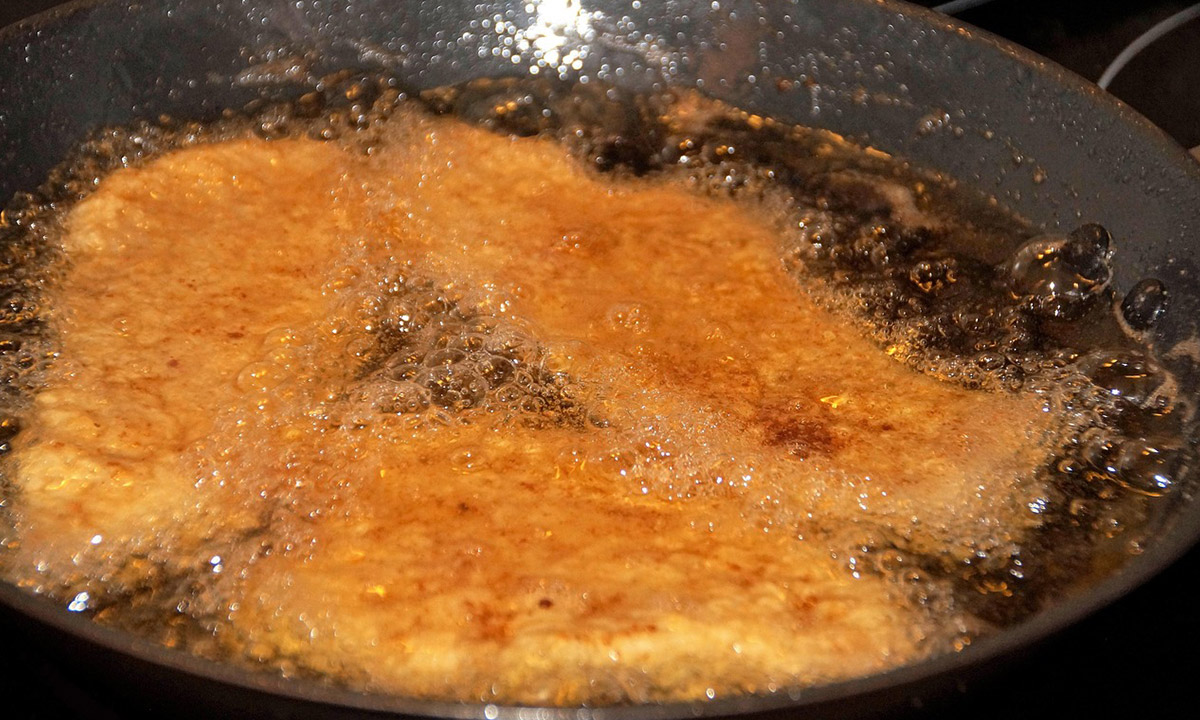
- Avoiding the disposal of fibrous, starchy, or greasy food waste.
- Running plenty of water when using the disposal to help flush materials through the system.
- Using the disposal only for small quantities of food waste.
- Maintaining a regular septic tank inspection and pumping schedule.
In summary, garbage disposals are not inherently bad for septic systems, but they do introduce challenges that require careful management. Overuse or improper use of a garbage disposal can significantly reduce the efficiency and lifespan of a septic system. However, with responsible use and proper maintenance, homeowners can still enjoy the convenience of a garbage disposal without compromising the functionality of their septic system. The key lies in understanding the limitations of the system and acting accordingly to preserve its health and effectiveness.