How Schools Can Reduce Grease-Related Plumbing Issues

In schools, grease buildup is one of those hidden problems that can quietly turn into a major headache. Every time food is cooked, whether it’s burgers, fries, or even something as simple as buttered toast, fats, oils, and grease (often called FOG) go down the drain. At first, it might not seem like a big deal. But over time, that grease cools, hardens, and sticks to the inside of pipes. Think of it like cholesterol in arteries. The more it builds up, the harder it becomes for anything to pass through. Eventually, this can lead to slow drains, unpleasant odors, and in worst cases, complete blockages that shut down parts of the school.
Start With Better Kitchen Habits
The easiest way to reduce grease-related plumbing issues is to stop as much of it as possible from going down the drain in the first place. School kitchen staff play a big role here. Instead of rinsing greasy pans directly in the sink, it helps to wipe them out first with paper towels. That simple step alone can prevent a surprising amount of grease from entering the plumbing system. Pouring leftover cooking oil into a container for proper disposal, rather than dumping it down the drain, also makes a big difference. Even small changes in daily routines can add up quickly when a kitchen is serving hundreds of meals a day.
Install and Maintain Grease Traps
Many schools already have grease traps installed, but they’re only effective if they’re properly maintained. A grease trap is designed to catch fats and oils before they enter the main plumbing system. It acts like a filter, separating grease from water. The problem is that when grease traps aren’t cleaned regularly, they stop doing their job. Once they fill up, grease can slip right through and end up clogging pipes anyway. Setting a regular cleaning schedule, whether monthly or quarterly depending on kitchen use, helps keep everything working as it should. It’s one of those maintenance tasks that’s easy to overlook but incredibly important.
Be Mindful of What Goes Down the Drain
It’s not just liquid grease that causes issues. Food scraps, dairy products, and sauces can all contribute to buildup over time. When combined with grease, they create thick, sticky blockages that are tough to remove. Encouraging staff and students to scrape plates into the trash before rinsing them can help reduce the amount of waste entering the plumbing system. In schools with dishwashing stations, clear signage can serve as a helpful reminder. It’s a small shift that can prevent big problems later on.
Educate Staff and Students
Awareness goes a long way. When people understand how their actions affect the plumbing system, they’re more likely to make better choices. Schools can include simple training for kitchen staff about grease disposal and why it matters. For students and other staff, even a quick explanation during orientation or a few posters in the cafeteria can help reinforce good habits. The goal isn’t to make things complicated, it’s just to help everyone be a little more mindful.
Schedule Routine Plumbing Inspections
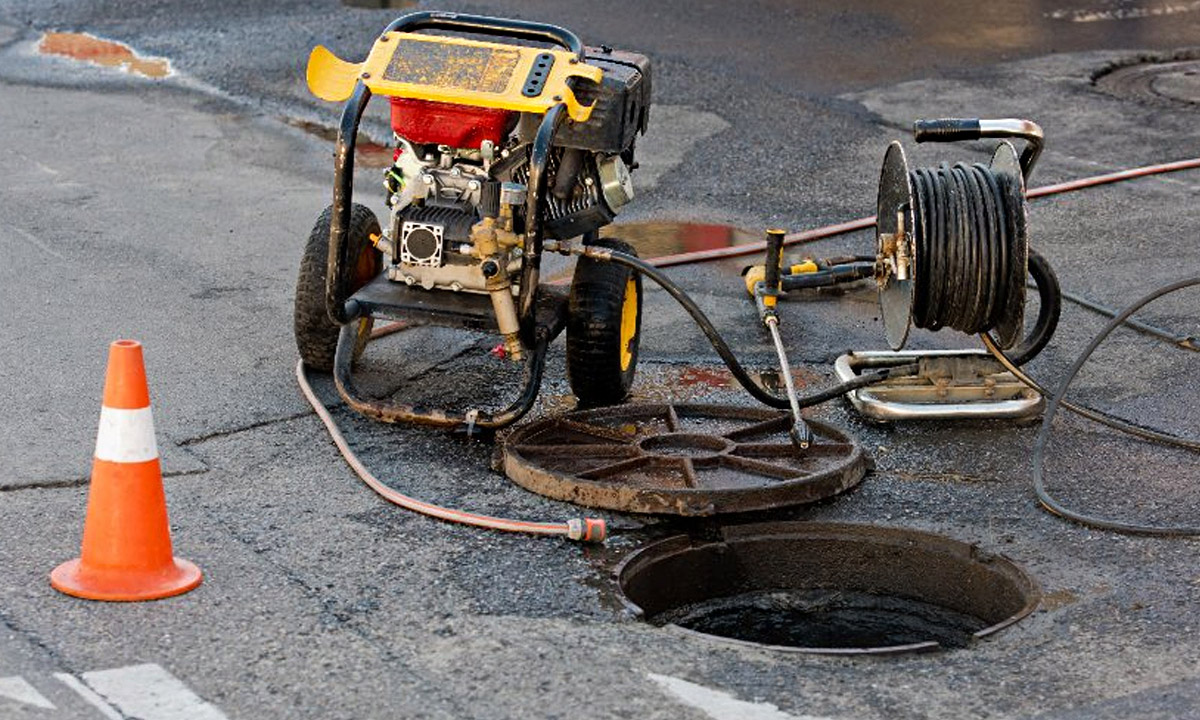
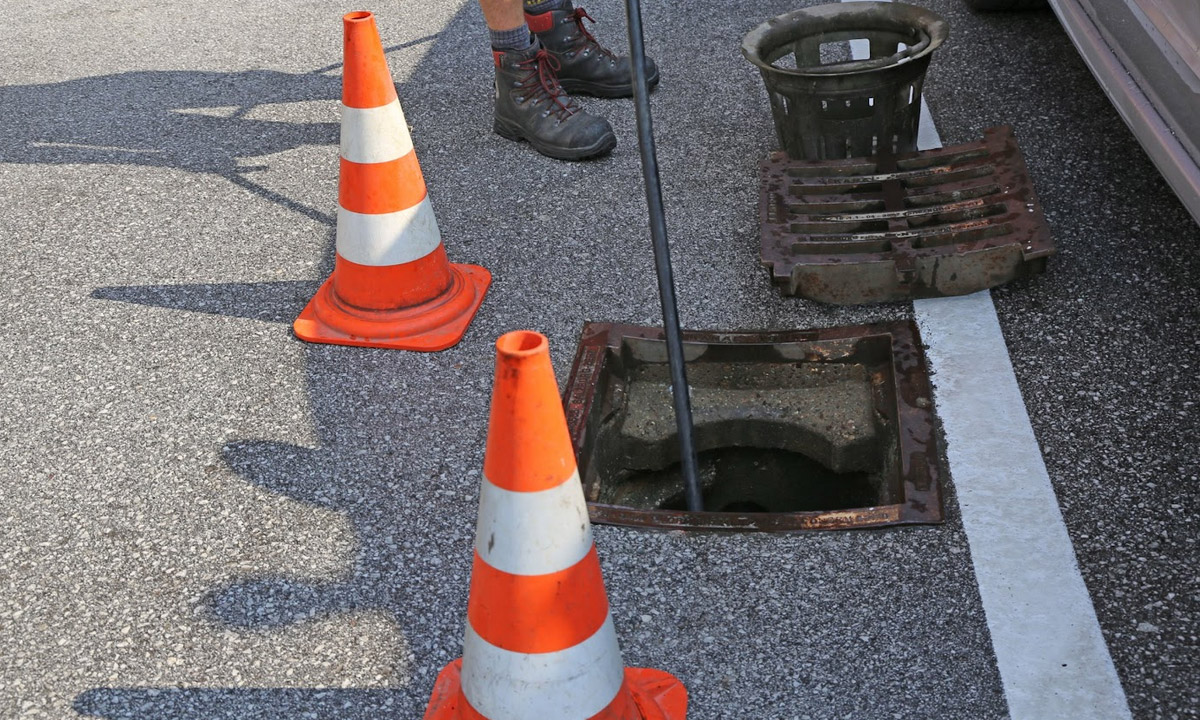
Even with the best habits in place, some grease will still make its way into the system. That’s why routine inspections are so important. Professional plumbers can check for early signs of buildup and clear out problem areas before they turn into major blockages. Preventative maintenance is almost always less expensive, and far less disruptive, than emergency repairs.
One of the biggest mistakes schools make is waiting until there’s a backup or foul smell before taking action. By that point, the issue has usually been building for a while. Being proactive is key. Simple steps like proper disposal, regular grease trap cleaning, and routine inspections can go a long way in keeping plumbing systems running smoothly. At the end of the day, reducing grease-related plumbing issues isn’t about one big fix. It’s about consistent, everyday habits that prevent small problems from turning into costly disruptions.