Are Antibacterial Soaps Bad for Septic Systems?

Yes, antibacterial soaps can be detrimental to septic systems. These products, designed to kill or inhibit the growth of bacteria, can interfere with the essential biological processes that occur in septic tanks. To understand why this happens and what the consequences can be, it’s important to take a closer look at how septic systems work and how antibacterial agents interact with them.
How Septic Systems Work
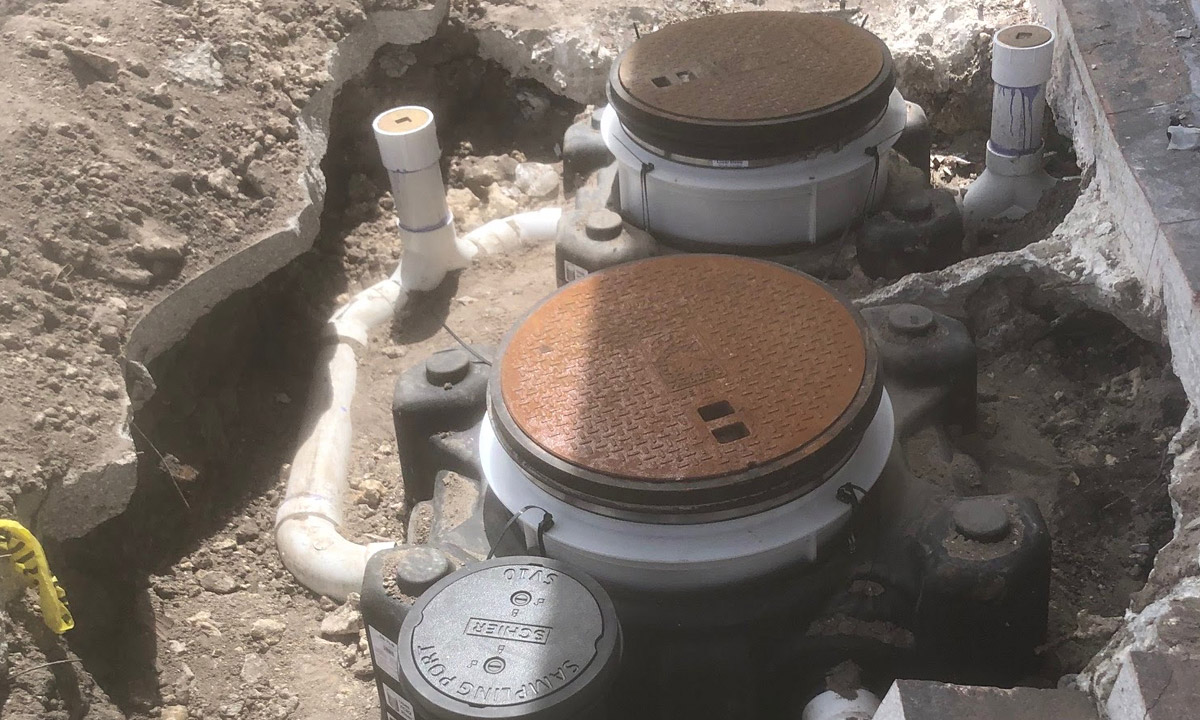
Septic systems rely on a delicate balance of bacteria and other microorganisms to break down and process waste. When wastewater enters the septic tank, solids settle to the bottom, forming sludge, while oils and grease float to the top as scum. The liquid in the middle, known as effluent, contains organic material that bacteria decompose. This partially treated effluent then flows into a drain field, where additional microbial action and filtration through soil further purify it before it reenters the groundwater supply.
This entire process is biologically driven. The system depends on a robust microbial population to digest and treat organic waste. Without these microbes, solid waste can accumulate more rapidly, and the overall efficiency of the system deteriorates, potentially leading to backups, clogs, and even system failure.
The Problem with Antibacterial Soaps
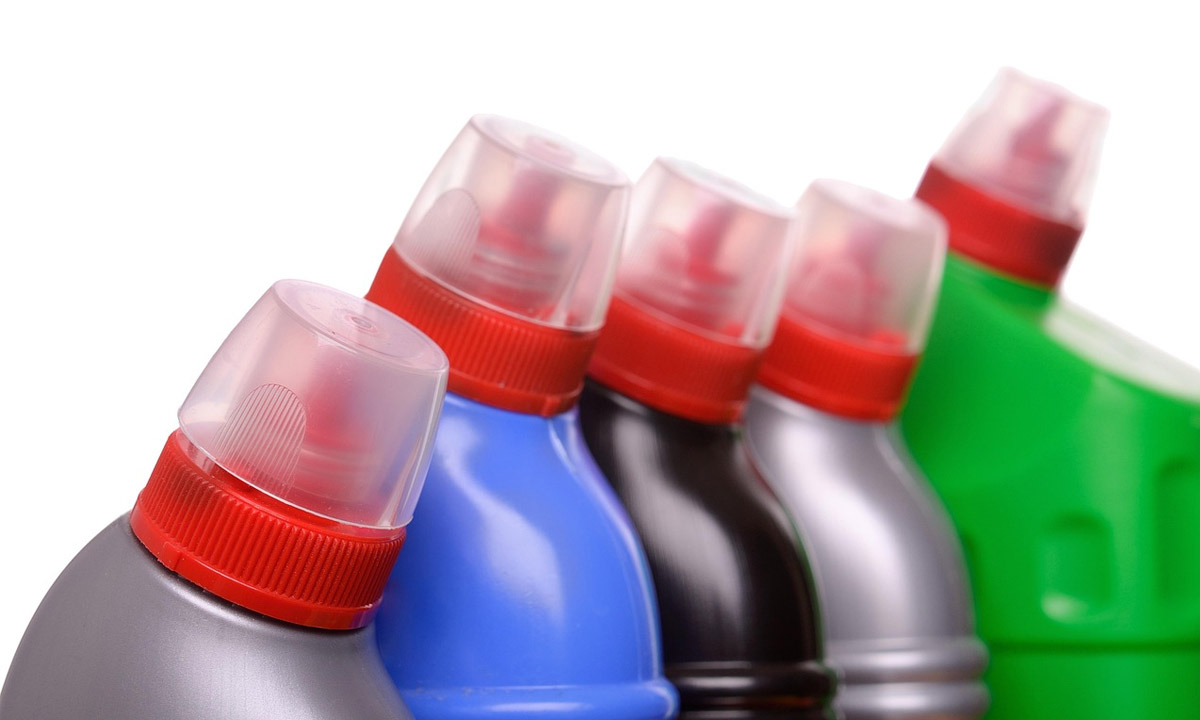
Antibacterial soaps contain chemical agents such as triclosan, triclocarban, and various quaternary ammonium compounds that are specifically designed to kill bacteria. While effective at reducing microbial presence on hands and surfaces, these substances do not discriminate between harmful and beneficial bacteria. When used regularly and washed down the drain, antibacterial agents can make their way into the septic tank, where they begin to interfere with the natural bacterial processes necessary for waste decomposition.
Studies have shown that high concentrations of antibacterial compounds in septic systems can reduce microbial diversity and activity. Over time, this can inhibit the system’s ability to break down waste efficiently. The consequences may include:
- Sludge Buildup: With bacteria less effective or in fewer numbers, solid waste may not break down properly, leading to more frequent tank pumping needs.
- Drain Field Issues: Poorly treated effluent reaching the drain field can clog the soil pores, reducing the ability of the field to absorb and treat wastewater, which can lead to surface pooling or even contamination of nearby groundwater.
- Increased Maintenance Costs: Septic systems affected by antibacterial agents may require more frequent maintenance or even premature replacement of system components.
Environmental and Regulatory Considerations
The widespread use of triclosan and similar compounds has raised environmental concerns beyond individual septic systems. These chemicals have been found in water bodies and soil, where they can disrupt aquatic ecosystems and contribute to antibiotic resistance. Due to these concerns, the U.S. Food and Drug Administration (FDA) banned the use of triclosan and several other antibacterial agents in over-the-counter consumer antiseptic wash products in 2016. However, many products containing these substances are still in circulation, especially in industrial and institutional settings.
Best Practices for Septic System Owners
To maintain a healthy septic system, homeowners should avoid products that can harm the beneficial bacteria within the tank. Here are some best practices:
- Use Biodegradable and Septic-Safe Soaps: Choose products labeled as septic-safe or biodegradable, which are less likely to disrupt microbial activity.
- Limit Antibacterial Use: Avoid using antibacterial soaps, wipes, and cleaning agents whenever possible, especially for routine household cleaning.
- Be Mindful of Chemical Disposals: Never pour harsh chemicals, bleach, or disinfectants down the drain.
- Regular Maintenance: Schedule routine inspections and pumpings to keep the system functioning efficiently.
While antibacterial soaps serve a purpose in reducing the spread of germs, their use can be harmful to septic systems that rely on bacteria to function effectively. Replacing these soaps with milder, septic-friendly alternatives is a simple step that can help protect the integrity of your system, reduce maintenance costs, and contribute to a healthier environment.