Cooking Oil Disposal Tips for Homes on Septic

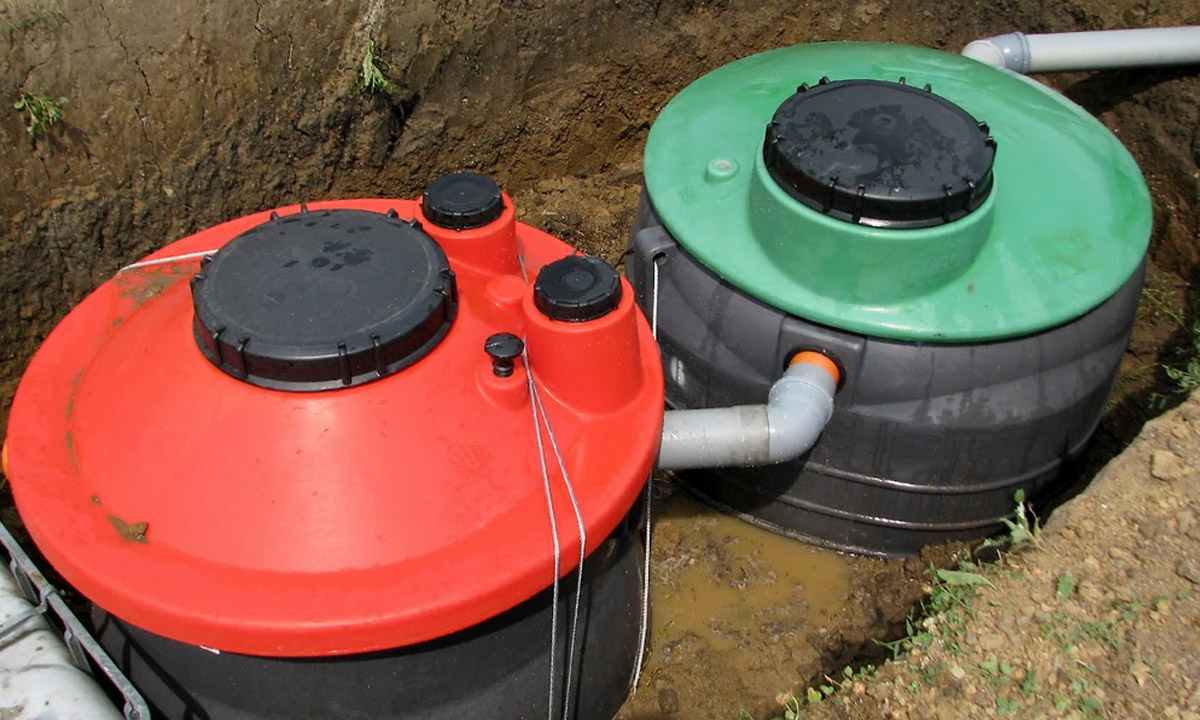
If your home runs on a septic system, what goes down your drain really matters. It’s easy to think a little leftover cooking oil won’t hurt, but over time, those small amounts add up. Cooking oils, grease, and fats don’t break down the way other food scraps do. Instead, they cool, harden, and stick to surfaces. Inside your pipes, they can create stubborn clogs. Inside your septic tank, they form a thick layer that interferes with how the system is supposed to work.
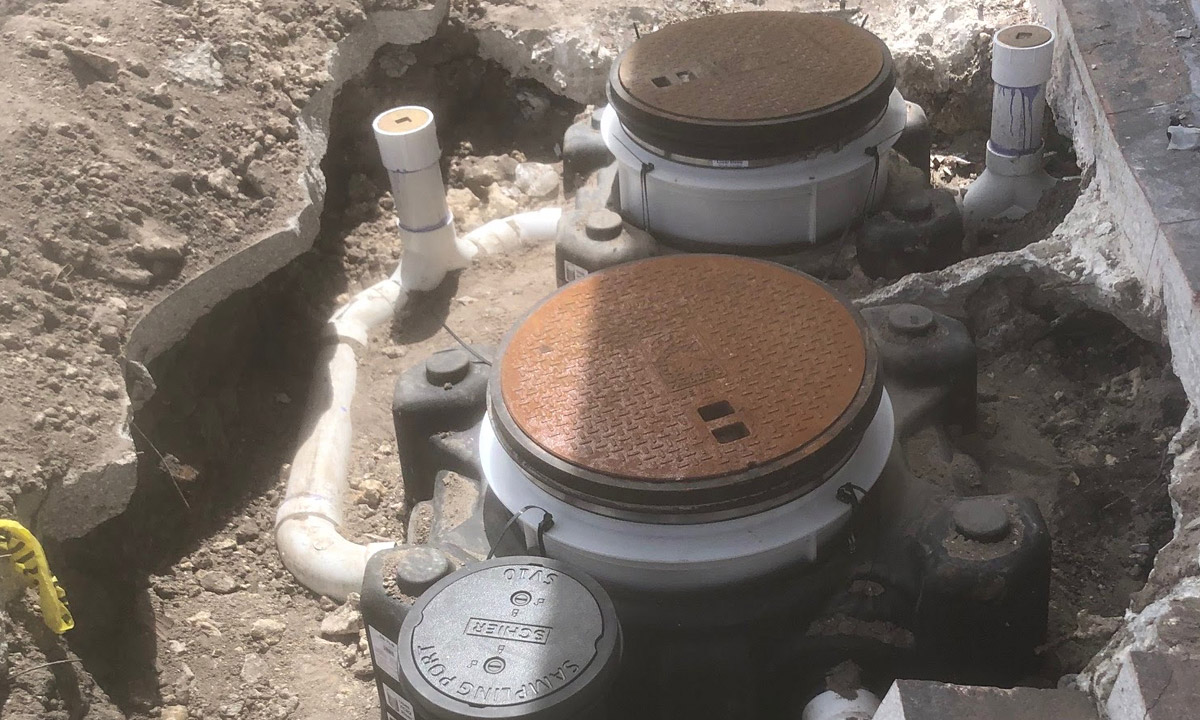
A septic system relies on natural bacteria to break down waste. When grease and oil enter the tank, they float to the top and form a scum layer that’s tougher and thicker than usual. This can block the normal flow of wastewater and make it harder for bacteria to do their job. Over time, this can lead to backups, bad odors, and expensive repairs.
What Happens When You Pour Oil Down the Drain
It might seem harmless to rinse a greasy pan with hot water and soap, but that doesn’t actually solve the problem. The hot water may temporarily wash the oil down the drain, but once it cools, it solidifies again, often further down the line where you can’t see it.
In a septic system, this buildup can reduce the available space in your tank. That means your system fills up faster and may need pumping more often. In worst case scenarios, grease can clog the drain field, which is the part of the system that filters wastewater back into the soil. When that happens, repairs can be messy, disruptive, and costly.
Simple Ways to Dispose of Cooking Oil Safely
Handling cooking oil the right way is simple once you get into the habit. You don’t need special tools, just a little awareness. Let the oil cool after cooking. Never pour hot oil anywhere, as it can be dangerous and messy. Once it’s cooled, pour it into a container with a lid. This could be an old jar, a can, or even the original oil bottle if it’s empty.
For small amounts of oil, you can wipe your pans with a paper towel before washing them. This removes most of the grease before it ever reaches your drain. It’s a small step that makes a big difference over time.
Can You Throw Cooking Oil in the Trash?
Yes, in many cases you can, but it needs to be done properly. Never pour loose oil directly into your trash bag. It can leak, make a mess, and even attract pests. Instead, seal it in a sturdy container first. Some people like to mix small amounts of oil with absorbent materials like coffee grounds, flour, or cat litter. This thickens the oil and makes it less likely to spill. Once it’s absorbed, it can usually go in the trash without causing problems.
Keep Your Septic System Running Smoothly
Taking care of your septic system doesn’t have to be complicated, but it does require consistency. Being mindful about cooking oil disposal is one of the easiest ways to avoid unnecessary trouble. Think of your septic system like a living system, it needs the right conditions to stay healthy. By keeping grease and oil out of your drains, you’re helping prevent clogs, reducing wear on your system, and avoiding costly repairs down the road. It’s a small habit that protects your home in a big way.