What Inspectors Look for During a Grease Trap Check

Grease trap inspections are an essential part of maintaining a sanitary and compliant commercial kitchen or food service establishment. Grease traps, also known as grease interceptors, are designed to capture fats, oils, and grease (FOG) before they enter the wastewater system. A malfunctioning or poorly maintained grease trap can lead to blockages, foul odors, health violations, and even legal issues. To ensure public safety and environmental protection, health and sanitation inspectors conduct routine checks on these systems. Here’s what inspectors typically look for during a grease trap check.
Proper Installation and Accessibility
One of the first things inspectors verify is whether the grease trap has been properly installed according to local plumbing and health codes. The trap must be correctly sized based on the flow rate of water from the sinks and kitchen appliances. In addition, the location of the grease trap should allow for easy access for maintenance, cleaning, and inspection. If the trap is difficult to reach, it may be non-compliant and subject to citations.
Frequency and Quality of Cleaning
Inspectors closely examine the maintenance records of the grease trap. Most jurisdictions require regular pumping or cleaning, typically every 30 to 90 days, depending on usage. Establishments are expected to maintain logs documenting when the grease trap was last cleaned and by whom. Inspectors will often compare the physical condition of the trap with the log entries to ensure the information is accurate and that cleaning is done at appropriate intervals.
Grease and Solids Accumulation
A key part of the inspection involves measuring the depth of accumulated grease and solids in the trap. A general rule of thumb is the “25% rule,” which states that if the trap is more than 25% full of FOG and solids, it needs to be cleaned. Inspectors may use a dipstick or sludge judge to determine this. Excessive buildup indicates neglect and can trigger warnings, fines, or orders for immediate servicing.
Structural Integrity and Functionality
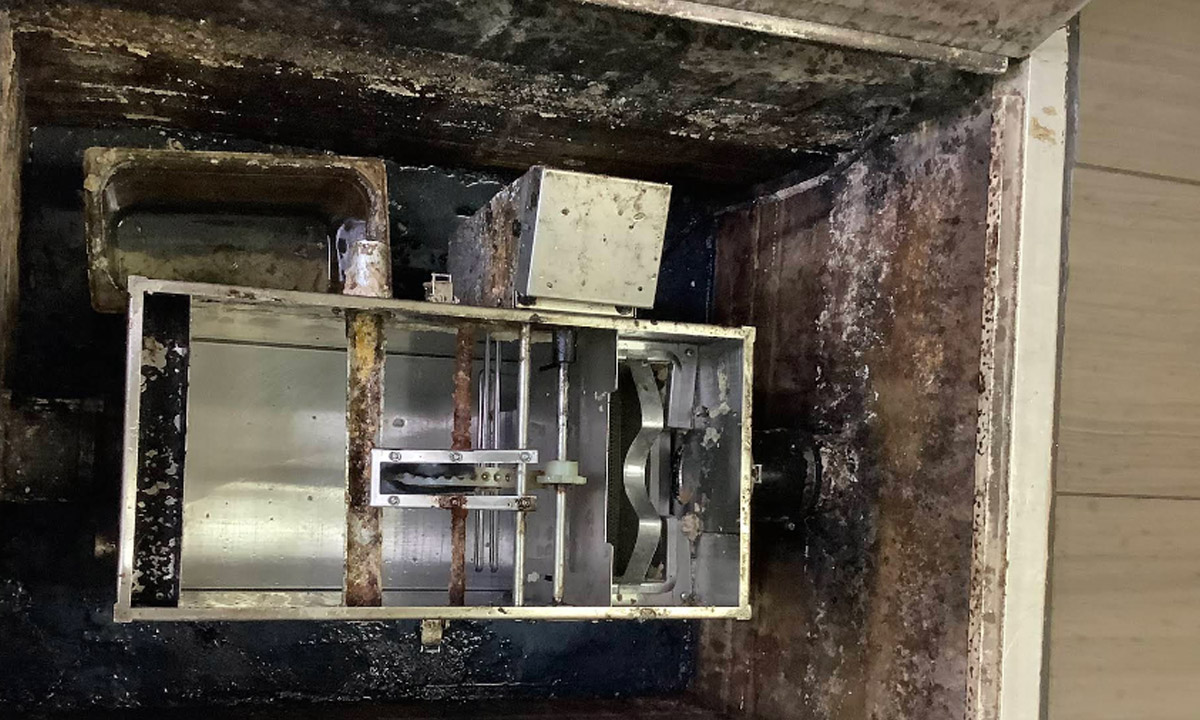
Inspectors check the physical condition of the grease trap for any signs of corrosion, cracks, or other damage that could affect its functionality. This includes examining the inlet and outlet pipes, baffles, and seals. If any component is broken or not working correctly, the grease trap may not be effectively separating FOG from wastewater, which poses both environmental and plumbing risks.
Odor and Leakage
A properly maintained grease trap should not emit strong odors or have visible leaks. Foul smells may indicate a buildup of organic waste or a clog, while leaks suggest structural failure. Inspectors will note any such issues, which could result in penalties or mandatory repairs.
Backups and Overflow
Any signs of backup in the kitchen drains or overflow from the grease trap itself are major red flags. These indicate that the grease trap is either undersized, improperly maintained, or not functioning. Inspectors may require immediate correction to prevent health hazards or disruption of service.
Compliance with Local Codes and Permits
Finally, inspectors ensure the establishment is following all local laws and regulations related to grease trap installation and maintenance. This includes possessing the necessary permits, using licensed waste haulers for grease disposal, and following Best Management Practices (BMPs) for FOG control. Non-compliance can result in citations, fines, or even temporary shutdowns.
Grease trap inspections are a critical part of environmental health oversight in food service operations. Inspectors look for proper installation, cleaning frequency, accumulation levels, physical condition, odors, backups, and overall compliance with local codes. Food establishments that prioritize preventive maintenance, keep accurate records, and adhere to guidelines are more likely to pass inspections smoothly and avoid costly penalties. Regular attention to grease trap health not only helps with regulatory compliance but also ensures smooth operations and a clean working environment.