Why Cold Weather Makes Grease Traps Harder to Clean

Grease traps are a critical component in commercial kitchens, food processing facilities, and other operations that discharge fats, oils, and grease (FOG) into the wastewater system. Their function is straightforward: intercept grease before it enters the sanitary sewer. However, during cold weather, grease trap maintenance becomes significantly more difficult, time-consuming, and costly. Understanding why winter conditions complicate grease trap cleaning can help facility managers and operators plan more effectively and avoid system failures.
Grease Solidifies Faster in Cold Temperatures
The primary reason cold weather complicates grease trap cleaning is the change in physical state of fats, oils, and grease. Most FOG remains semi-liquid at warm temperatures, allowing it to separate and float within the trap as designed. When ambient temperatures drop, these materials cool rapidly and solidify. Animal fats, in particular, have higher melting points and can harden into dense, wax-like masses.
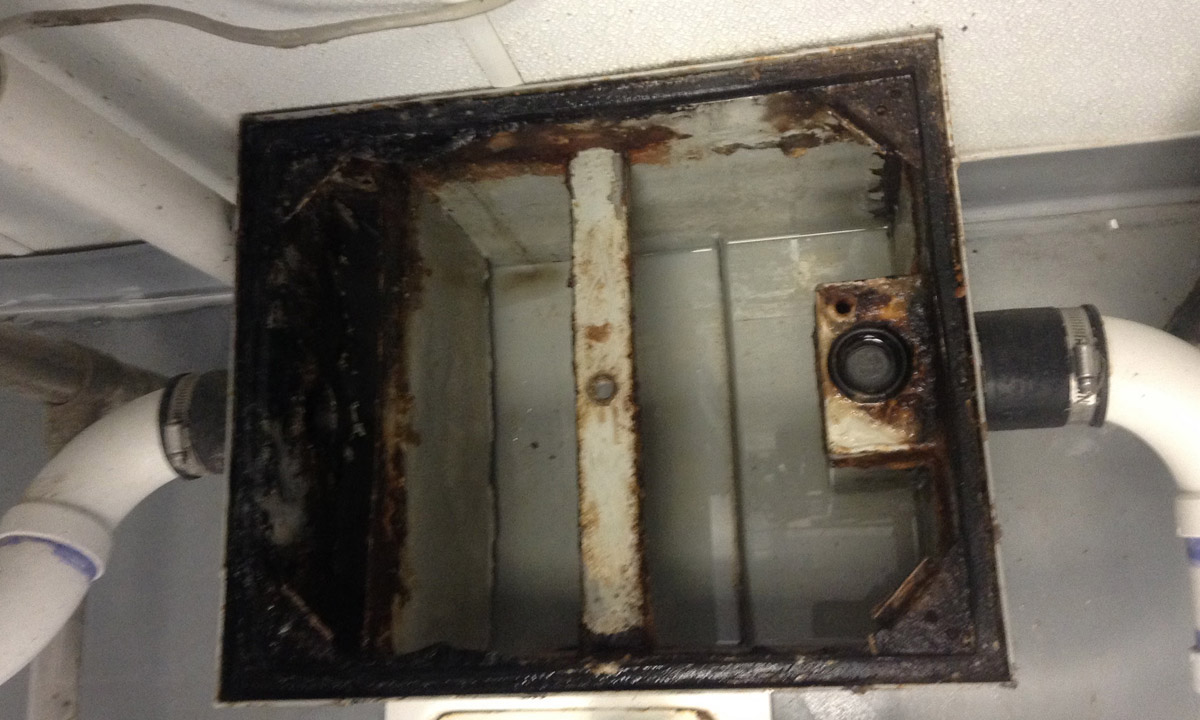
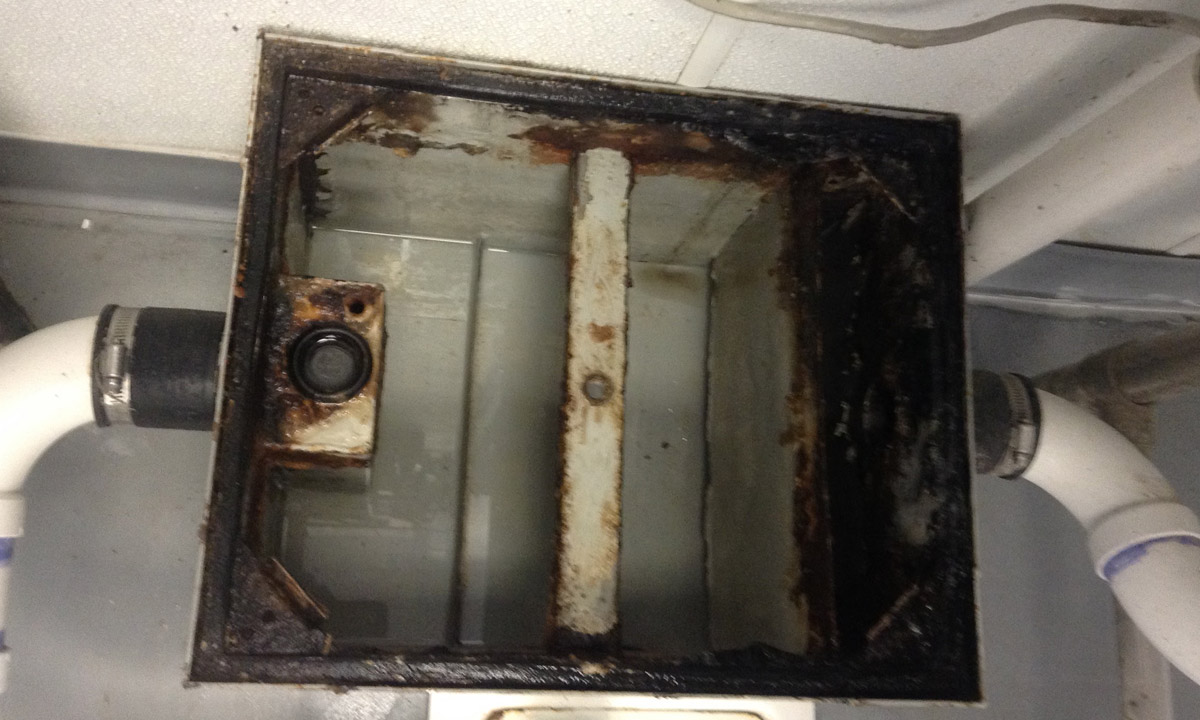
Once solidified, grease adheres strongly to trap walls, baffles, and inlet and outlet piping. Instead of skimming or pumping out easily, hardened grease often requires manual scraping, chipping, or extended vacuum time. This not only slows the cleaning process but also increases labor costs and the risk of incomplete removal.
Reduced Biological Activity Slows Natural Breakdown
Many grease traps rely, at least in part, on natural bacterial action to help break down organic waste between cleanings. Cold temperatures inhibit microbial activity, significantly reducing the rate at which grease and food solids decompose. As biological activity slows, grease accumulates faster and becomes more compacted.
In winter, this means traps reach capacity sooner and develop thicker grease caps. The material becomes more resistant to removal, especially if cleanings are delayed. Facilities that maintain the same service schedule year-round often discover that winter conditions require more frequent pumping to prevent overflows or backups.
Cold Weather Affects Drainage and Flow
Cold weather can also impact the plumbing connected to grease traps. Lower temperatures reduce the viscosity of wastewater, slowing flow rates through the system. At the same time, grease that has congealed inside pipes restricts internal diameter, further impeding movement.
This combination can cause grease traps to drain more slowly during cleaning, making it difficult for technicians to fully evacuate contents. In extreme cases, partially frozen inlet or outlet lines may prevent proper pumping altogether, forcing technicians to spend additional time thawing or clearing lines before the trap can be serviced.
Increased Risk of Odors and Blockages
As grease hardens and accumulates, it traps food particles that begin to decompose anaerobically. Cold weather prevents these odors from dissipating, often concentrating them inside the trap. When cleaning finally occurs, technicians may encounter stronger-than-usual odors and compacted sludge layers that are difficult to separate.
Additionally, hardened grease is more likely to break free in large chunks during cleaning, potentially lodging downstream and creating blockages. This risk is higher in winter when pipes are already vulnerable due to colder soil temperatures and reduced flow.
Equipment and Access Challenges
Cold weather does not just affect the grease itself; it also impacts the cleaning process. Outdoor grease traps and interceptors may be buried under frozen ground, snow, or ice, making access more difficult and time-consuming. Hoses, vacuum equipment, and seals can stiffen in low temperatures, reducing efficiency and increasing wear on service equipment.
Technicians often need more time on-site to manage these conditions, which can drive up service costs during winter months.
Planning for Winter Grease Trap Maintenance
Because cold weather fundamentally changes how grease behaves, winter grease trap cleaning requires proactive planning. More frequent service intervals, proper insulation of outdoor traps, and staff training on minimizing grease discharge can help offset seasonal challenges. By understanding why cold weather makes grease traps harder to clean, facility operators can take preventative measures that reduce downtime, protect plumbing systems, and maintain compliance year-round.