What Happens If You Don’t Pump Your Septic Tank on Time

For many homeowners, the septic system is one of those out of sight, out of mind things. It works quietly underground, so it’s easy to forget about, until something goes wrong. Skipping or delaying septic tank pumping can lead to some messy, expensive, and even unhealthy problems. Let’s take a look at what really happens when a septic tank isn’t maintained on time.
How a Septic Tank Works
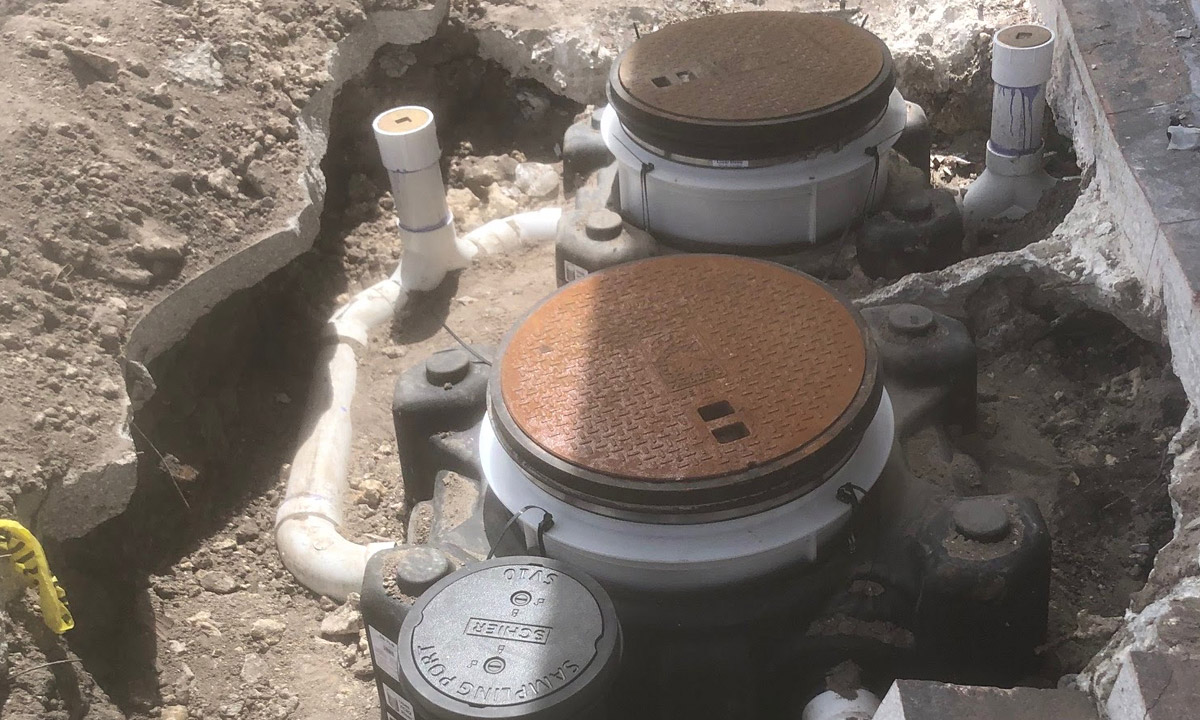
Your septic tank is basically a holding and treatment system for everything that goes down your drains: showers, toilets, sinks, and laundry. Inside the tank, waste separates into three layers, solids sink to the bottom, oils float to the top, and water sits in the middle. The liquid water then flows out into a drain field where it’s naturally filtered by the soil. Over time, the solid layer builds up. That’s where pumping comes in. It removes that buildup so the system can keep working properly.
Sludge Buildup
If you don’t pump your septic tank regularly, the solid waste keeps piling up. Eventually, there’s just not enough room left in the tank for proper separation. When that happens, solids can start mixing with the liquid and getting pushed out into the drain field. That’s a big problem because the drain field is only designed to handle liquid, not chunks of waste. Think of it like pouring coffee grounds down a sink, it might work at first, but eventually something’s going to clog.
Slow Drains and Backups
One of the earliest warning signs of a neglected septic tank is slow drainage. You might notice sinks taking longer to empty, toilets flushing sluggishly, or showers pooling water around your feet. If the tank gets too full, the waste has nowhere to go. That’s when backups can happen. And unfortunately, those backups don’t stay outside, they can come up through your toilets, tubs, or floor drains. It’s not just inconvenient. It’s unsanitary and stressful to deal with.
Foul Odors Around Your Home
A healthy septic system doesn’t smell. But when it’s overdue for pumping, odors can start creeping in. You might notice a strong sewage smell in your yard, especially near the tank or drain field. In more severe cases, that smell can make its way inside your home through drains. That odor is more than just unpleasant, it’s a sign that waste isn’t being properly contained or treated.
Damage to the Drain Field
This is where things can get expensive. When solids escape into the drain field, they can clog the soil and pipes. Once that happens, the system can’t properly filter wastewater anymore. Water may start pooling on the surface of your yard, creating soggy patches or even standing sewage. Drain field damage is often irreversible. While pumping a tank might cost a few hundred dollars, replacing a drain field can run into the thousands.
Contaminating Your Property and Water
An overflowing or failing septic system doesn’t just affect your plumbing, it can impact the environment around your home. Untreated wastewater can seep into the soil and potentially reach groundwater. That can contaminate nearby wells, streams, or other water sources. For homeowners, this isn’t just a repair issue, it can become a health concern. Bacteria and harmful pathogens in wastewater can pose risks to people and pets.
How Often Should You Pump Your Septic Tank?
Most households should have their septic tank pumped every 3 to 5 years. However, this can vary depending on household size, water usage, and the size of the tank. A larger family or heavy water use may require more frequent pumping. If you’re not sure, a professional can inspect your system and give you a recommendation.
Routine pumping is relatively affordable and predictable. Emergency repairs, on the other hand, are not. Between cleaning up backups, repairing damaged pipes, or replacing a failed system, costs can escalate quickly. In many cases, a simple maintenance visit could have prevented a much larger bill.
Ignoring your septic tank won’t make the problem go away, it just delays it until it becomes bigger and more expensive. Regular pumping keeps everything flowing smoothly, prevents unpleasant surprises, and protects both your home and your health. It’s one of those maintenance tasks that’s easy to overlook, but staying on top of it can save you a lot of trouble down the road.