Restaurant Plumbing Problems That Can Lead to Health Department Violations
Running a successful restaurant requires much more than preparing great food. Behind every commercial kitchen is a plumbing system that supports food preparation, sanitation, employee hygiene, dishwashing, and waste disposal. When that plumbing system isn’t properly maintained, it can create serious operational problems—and in some cases, result in health department violations.
Many plumbing-related violations develop gradually. A slow drain, an overdue grease trap cleaning, or a leaking faucet may seem minor at first, but these issues can quickly escalate into sanitation concerns that attract the attention of health inspectors. Fortunately, most plumbing violations are preventable through routine inspections, preventative maintenance, and prompt repairs.
Here’s a closer look at some of the most common restaurant plumbing problems that can lead to health code violations and what business owners can do to avoid them.
Why Plumbing Is So Important in Food Service
Every restaurant depends on clean water and sanitary wastewater disposal. Plumbing systems support nearly every aspect of daily operations, including:
- Handwashing stations
- Food preparation sinks
- Commercial dishwashers
- Mop sinks
- Restrooms
- Ice machines
- Beverage stations
- Floor drains
- Grease traps
- Water heaters
A failure in any of these systems can affect food safety, employee sanitation, customer comfort, and business operations.
1. Overdue Grease Trap Cleaning
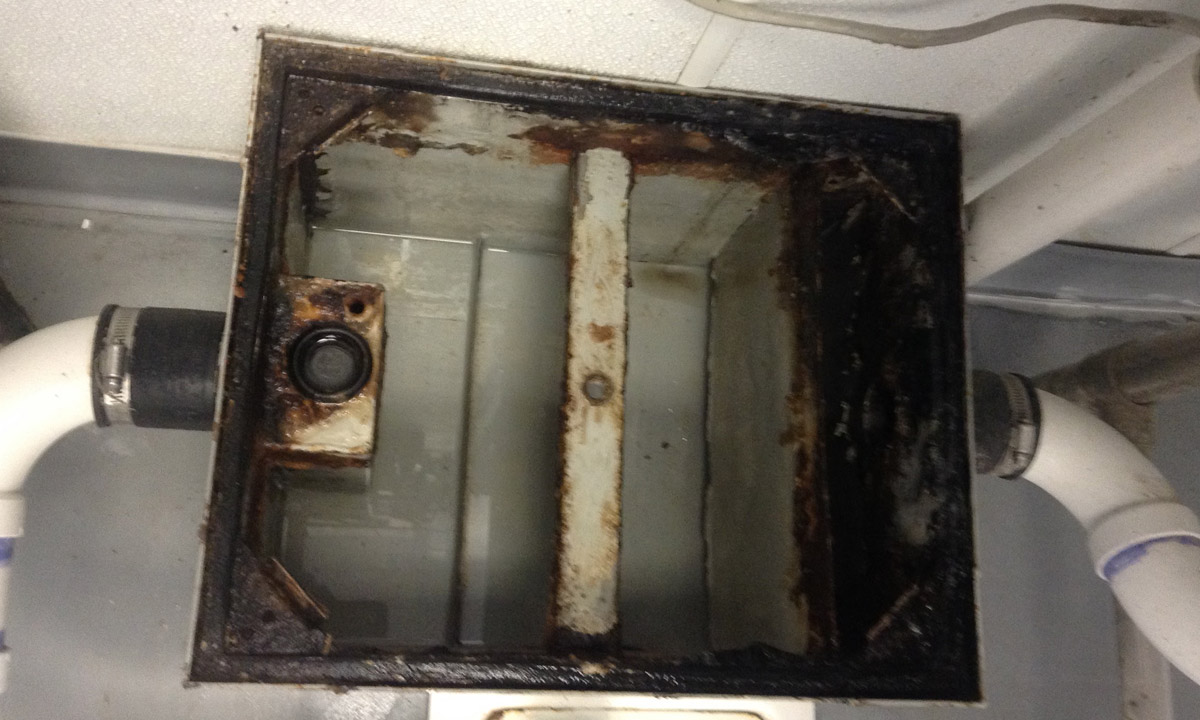
One of the most common reasons restaurants experience plumbing problems is neglecting grease trap maintenance.
Grease traps are designed to capture fats, oils, and grease (FOG) before they enter the sanitary sewer system. Over time, these materials accumulate inside the trap and eventually reduce its capacity.
An overdue grease trap may cause:
- Strong kitchen odors
- Slow drains
- Sink backups
- Grease overflows
- Sewer backups
- Pest attraction
Many local municipalities require grease traps to be cleaned on a regular schedule. Failure to maintain them can result in code violations, fines, or expensive plumbing repairs.
Prevention
- Follow a regular grease trap pumping schedule.
- Keep maintenance records.
- Have the system inspected routinely.
- Train employees to dispose of grease properly.
2. Floor Drain Backups
Floor drains collect wastewater from kitchen equipment, cleaning activities, and accidental spills.
When drains become clogged with:
- Food debris
- Grease
- Soap residue
- Sediment
water may begin backing up onto the kitchen floor.
Standing wastewater creates sanitation concerns and can increase the risk of slips, falls, bacterial growth, and contamination.
Prevention
- Schedule regular drain cleaning.
- Flush drains appropriately.
- Keep floor drains free of food waste.
- Consider periodic hydro jetting for high-volume kitchens.
3. Sewer Line Problems
Commercial kitchens generate significantly more wastewater than most residential properties.
Over time, sewer lines can become restricted by:
- Grease buildup
- Food debris
- Scale buildup
- Tree roots
- Pipe damage
A sewer backup can shut down restaurant operations almost immediately.
Warning signs include:
- Multiple drains backing up
- Gurgling sounds
- Slow drainage throughout the building
- Sewage odors
- Wastewater around floor drains
Routine sewer inspections can identify problems before an emergency occurs.
4. Cross-Connection and Backflow Issues
Restaurants rely on numerous plumbing fixtures connected to the potable water supply.
Without proper backflow prevention, contaminated water can potentially flow backward into the drinking water system under certain conditions.
Backflow prevention devices help protect:
- Ice machines
- Beverage equipment
- Commercial dishwashers
- Hose connections
- Irrigation systems
Many commercial facilities are required to have backflow prevention assemblies tested regularly to remain compliant with local regulations.
Prevention
- Schedule annual backflow testing.
- Repair failed assemblies promptly.
- Maintain testing documentation.
- Replace aging devices when necessary.
5. Inadequate Hot Water
Health departments often require restaurants to maintain adequate hot water for:
- Handwashing
- Dishwashing
- Cleaning
- Sanitizing equipment
A failing commercial water heater may struggle to maintain required temperatures during busy periods.
Common warning signs include:
- Running out of hot water
- Fluctuating temperatures
- Slow recovery times
- Water heater leaks
Routine maintenance helps prevent unexpected failures.
6. Leaking Plumbing Fixtures
Even minor leaks can create sanitation issues inside commercial kitchens.
Leaks may lead to:
- Standing water
- Mold growth
- Damaged flooring
- Slip hazards
- Increased water bills
Leaking supply lines, faucets, valves, and sinks should be repaired promptly.
7. Improper Waste Disposal Practices
Restaurant employees sometimes dispose of materials that should never enter the plumbing system.
Common offenders include:
- Cooking grease
- Rice
- Pasta
- Coffee grounds
- Eggshells
- Bones
- Produce scraps
These materials contribute to clogged drains and grease trap failures.
Employee education is one of the most effective forms of preventative maintenance.
8. Slow Drains Throughout the Kitchen
A slow drain may seem like a small inconvenience, but it often signals a developing blockage.
Ignoring slow drains allows grease and debris to continue accumulating until complete blockages occur.
Professional drain cleaning removes buildup before it becomes an emergency.
9. Sewer Gas Odors
Persistent sewer odors should never be ignored.
Possible causes include:
- Dry floor drain traps
- Grease trap problems
- Damaged sewer lines
- Blocked plumbing vents
- Loose cleanout caps
Unpleasant odors create a poor experience for both employees and customers and may indicate sanitation issues that require immediate attention.
10. Lack of Preventative Plumbing Maintenance
Perhaps the biggest contributor to plumbing-related health department issues is waiting until something breaks.
Emergency plumbing repairs are almost always more disruptive and expensive than scheduled maintenance.
A preventative maintenance program helps restaurants identify developing problems before they affect operations.
Routine maintenance typically includes:
- Grease trap inspections
- Drain cleaning
- Sewer camera inspections
- Backflow testing
- Water heater inspections
- Leak detection
- Fixture inspections
Restaurant Plumbing Maintenance Checklist
Restaurant owners should routinely inspect:
- ✓ Grease traps
- ✓ Floor drains
- ✓ Handwashing sinks
- ✓ Restroom fixtures
- ✓ Water heaters
- ✓ Backflow prevention devices
- ✓ Commercial dishwashers
- ✓ Ice machine supply lines
- ✓ Drainage around kitchen equipment
- ✓ Sewer cleanouts
Maintaining a written maintenance schedule can help demonstrate due diligence and reduce the likelihood of unexpected plumbing failures.
Why Preventative Maintenance Saves Money
Some restaurant owners postpone plumbing maintenance to save money.
Unfortunately, deferred maintenance often leads to:
- Emergency service calls
- Business interruptions
- Water damage
- Equipment replacement
- Sewer backups
- Lost revenue
- Health inspection concerns
Regular maintenance is almost always less expensive than emergency repairs and can significantly extend the life of your plumbing system.
Partner With an Experienced Commercial Plumbing Company
Restaurants have unique plumbing demands that differ significantly from residential properties. High water usage, grease production, commercial equipment, and strict sanitation requirements all require specialized expertise.
At WM Plumbing, we provide commercial plumbing services for restaurants, cafés, cafeterias, food service facilities, hotels, and other businesses throughout Miami-Dade County. Our experienced team offers grease trap cleaning, drain cleaning, hydro jetting, sewer camera inspections, backflow testing, commercial water heater service, leak detection, and preventative maintenance programs designed to keep your kitchen operating efficiently.
Whether you need routine maintenance or emergency commercial plumbing repairs, our goal is to help you prevent costly plumbing failures, remain compliant with health regulations, and keep your business serving customers without interruption.