Why Do Grease Traps Smell? Causes, Solutions, and Prevention Tips

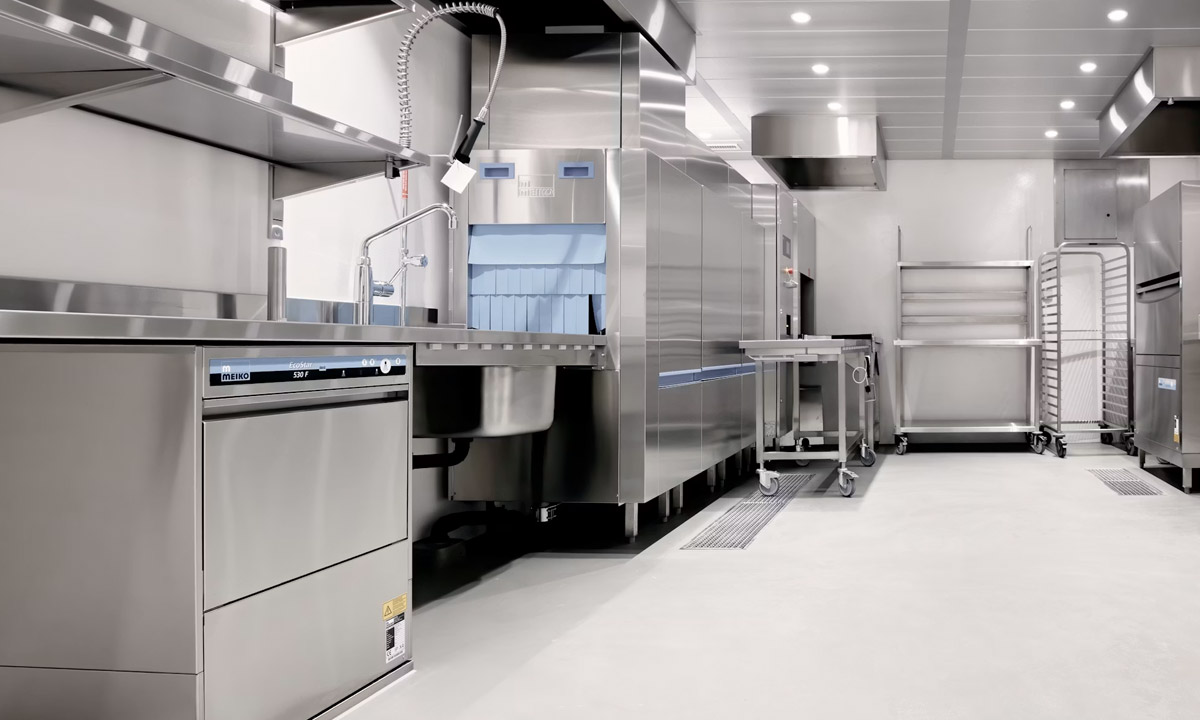
If you’ve ever walked into a restaurant kitchen, commercial facility, or food service establishment and noticed a strong sewer-like odor, there’s a good chance the grease trap is responsible. Grease trap odors are one of the most common complaints among restaurant owners, facility managers, and commercial property operators. Beyond being unpleasant, persistent odors can indicate maintenance issues that may eventually lead to plumbing problems, backups, health code violations, or expensive repairs.
Understanding why grease traps smell is the first step toward eliminating odors and keeping your plumbing system operating properly.
What Is a Grease Trap?
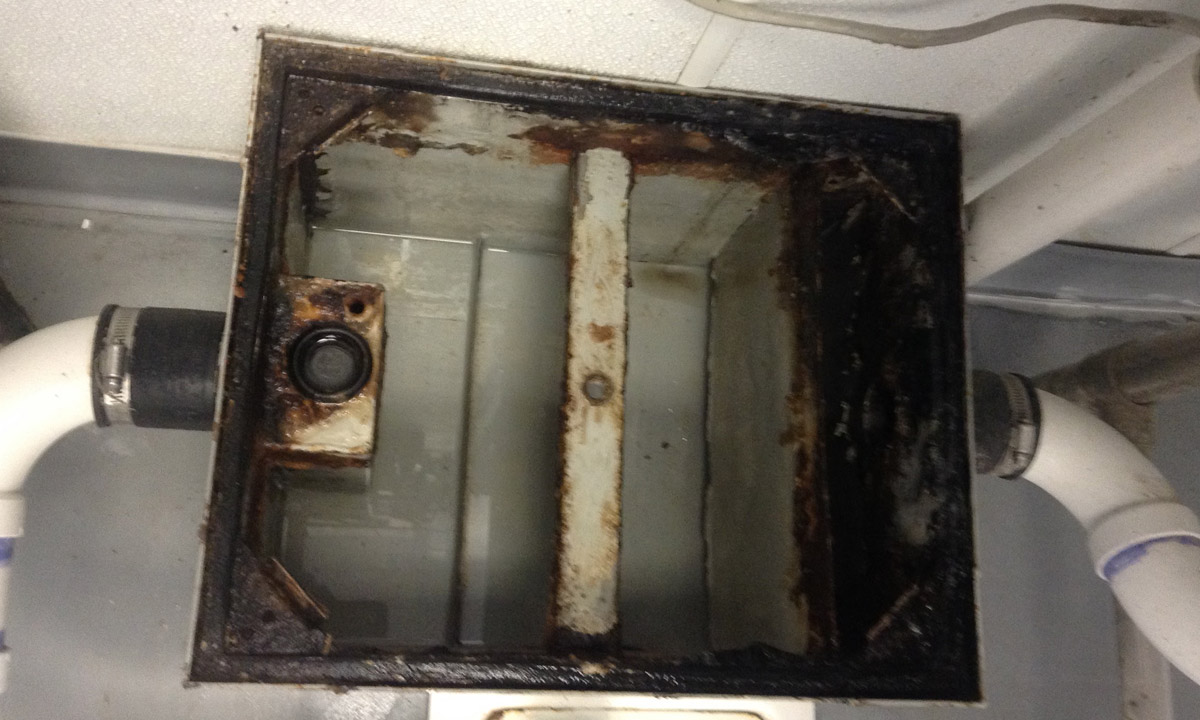
A grease trap is a plumbing device designed to intercept fats, oils, and grease (commonly called FOG) before they enter the sanitary sewer system. Grease traps are commonly installed in restaurants, cafeterias, bakeries, food processing facilities, commercial kitchens, and other businesses that generate grease-containing wastewater.
As wastewater flows through the trap, grease rises to the surface while solids settle at the bottom. The remaining water exits the trap and continues into the sewer system.
While grease traps serve an important purpose, they also create an environment where organic waste can accumulate and decompose. When maintenance is neglected, odors are often the first warning sign.
Why Do Grease Traps Smell?
Grease traps smell because they collect food waste, grease, oils, and organic materials that naturally begin to break down over time. During decomposition, bacteria produce gases that can create strong and unpleasant odors.
Common odor-causing gases include:
- Hydrogen sulfide
- Methane
- Sulfur compounds
- Ammonia
- Volatile organic compounds
These gases can produce odors commonly described as:
- Rotten eggs
- Sewer gas
- Sour food
- Decaying organic matter
- Rancid grease
The smell often becomes stronger when maintenance is overdue or when a grease trap is not functioning properly.
How to Eliminate Grease Trap Odors
The most effective solution depends on the underlying cause.
Can Grease Trap Odors Be a Health Concern?
While occasional odors are primarily a nuisance, persistent sewer gas odors should not be ignored.
Certain gases associated with wastewater decomposition can affect indoor air quality and create an unpleasant environment for employees and customers.
Strong odors may also indicate underlying plumbing problems that could worsen over time if left unresolved.
For restaurants and food service businesses, ongoing odor issues may even result in customer complaints or increased scrutiny during inspections.
How Often Should a Grease Trap Be Cleaned?
Cleaning frequency varies depending on the facility and volume of grease generated.
Factors that affect cleaning schedules include:
- Number of meals served
- Kitchen size
- Type of cuisine
- Trap capacity
- Local regulations
Many commercial kitchens require cleaning every one to three months, while high-volume facilities may need more frequent service.
A professional grease trap contractor can recommend an appropriate maintenance schedule based on your operation.
Professional Grease Trap Cleaning and Maintenance
At WM Plumbing, we provide professional grease trap cleaning, pumping, inspection, and maintenance services for restaurants, commercial kitchens, and food service facilities throughout Miami-Dade County. Our experienced team helps businesses eliminate odors, maintain compliance, prevent backups, and extend the life of their plumbing systems.
Whether you’re dealing with persistent grease trap odors, slow drains, or overdue maintenance, our team can help identify the cause and provide reliable solutions. Regular grease trap service not only eliminates unpleasant smells but also helps protect your business from costly plumbing emergencies and operational disruptions.