Why Do Grease Traps Smell? Causes, Solutions, and Prevention Tips

Published On: September 7, 2026Categories: Grease Traps

why do grease traps smell? causes, solutions, and prevention tips

If you’ve ever walked into a restaurant kitchen, commercial facility, or food service establishment and noticed a strong sewer-like odor, there’s a good chance the grease trap is responsible. Grease trap odors are one of the most common complaints among restaurant owners, facility managers, and commercial property operators. Beyond being unpleasant, persistent odors can indicate maintenance issues that may eventually lead to plumbing problems, backups, health code violations, or expensive repairs.

Understanding why grease traps smell is the first step toward eliminating odors and keeping your plumbing system operating properly.

What Is a Grease Trap?

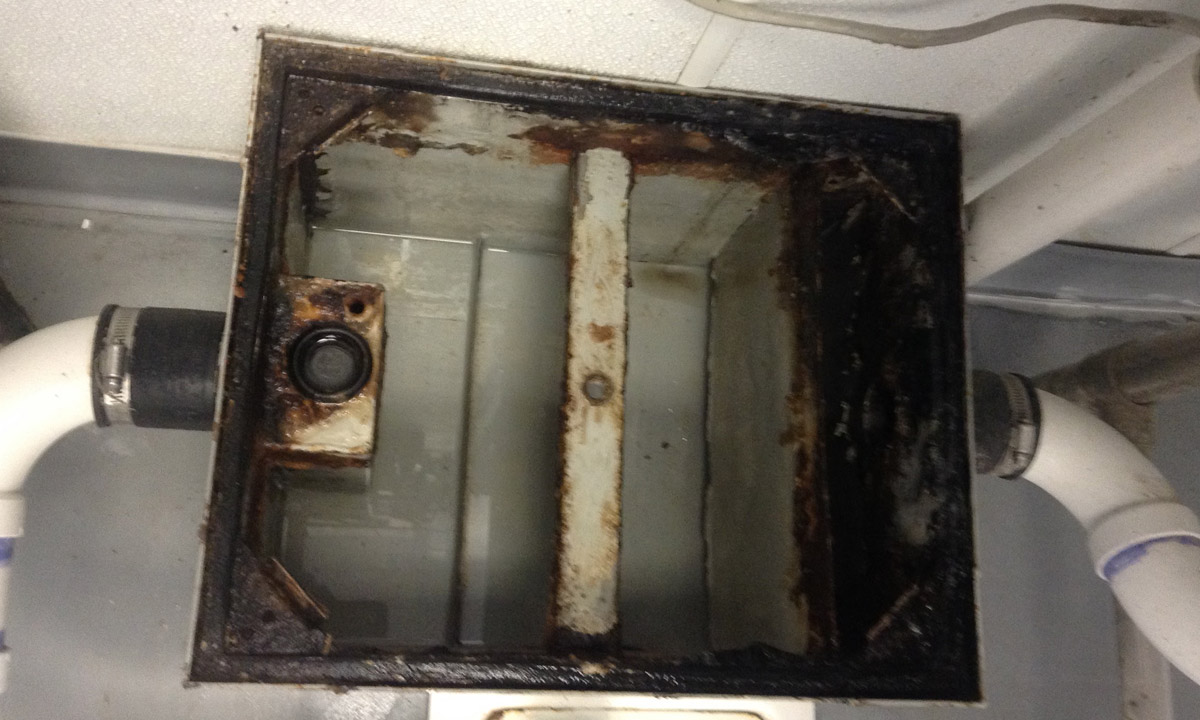
A grease trap is a plumbing device designed to intercept fats, oils, and grease (commonly called FOG) before they enter the sanitary sewer system. Grease traps are commonly installed in restaurants, cafeterias, bakeries, food processing facilities, commercial kitchens, and other businesses that generate grease-containing wastewater.

As wastewater flows through the trap, grease rises to the surface while solids settle at the bottom. The remaining water exits the trap and continues into the sewer system.

While grease traps serve an important purpose, they also create an environment where organic waste can accumulate and decompose. When maintenance is neglected, odors are often the first warning sign.

Why Do Grease Traps Smell?

Grease traps smell because they collect food waste, grease, oils, and organic materials that naturally begin to break down over time. During decomposition, bacteria produce gases that can create strong and unpleasant odors.

Common odor-causing gases include:

  • Hydrogen sulfide
  • Methane
  • Sulfur compounds
  • Ammonia
  • Volatile organic compounds

These gases can produce odors commonly described as:

  • Rotten eggs
  • Sewer gas
  • Sour food
  • Decaying organic matter
  • Rancid grease

The smell often becomes stronger when maintenance is overdue or when a grease trap is not functioning properly.

The most common cause of grease trap odors is simple neglect.

Over time, fats, oils, and grease accumulate inside the trap. As this material ages, it begins to decompose and emit foul-smelling gases. The thicker the grease layer becomes, the stronger the odor can become.

Businesses that produce large amounts of grease often require more frequent cleaning than expected. Waiting too long between service intervals allows grease to build up and creates ideal conditions for odor-producing bacteria.

Signs of excessive grease accumulation include:

  • Strong odors near sinks or floor drains
  • Slow draining sinks
  • Frequent backups
  • Visible grease buildup
  • Increased pest activity

Regular grease trap cleaning is one of the most effective ways to eliminate these odors.

Grease isn’t the only material trapped inside these systems.

Food particles, scraps, and organic debris frequently enter the grease trap along with wastewater. As these materials break down, bacteria consume the organic matter and release gases that create unpleasant smells.

Foods that commonly contribute to odor problems include:

  • Meat products
  • Dairy products
  • Sauces
  • Vegetable waste
  • Cooking oils
  • Seafood residue

The longer these materials remain inside the trap, the stronger the odor becomes.

Many grease trap odor problems can be traced directly to inadequate maintenance schedules.

Some business owners assume that grease traps only need cleaning when a problem occurs. Unfortunately, waiting until odors develop often means the trap is already overdue for service.

Most commercial grease traps should be inspected and cleaned on a regular schedule based on:

  • Trap size
  • Kitchen volume
  • Number of meals served
  • Type of food prepared
  • Local regulations

Routine cleaning removes accumulated grease and solids before they have an opportunity to create significant odor issues.

Your plumbing system relies on vents to safely release sewer gases outside the building.

If vent pipes become blocked by debris, grease buildup, bird nests, or other obstructions, odors may become trapped inside the plumbing system and find their way back into the building.

A blocked vent may also contribute to:

  • Slow drainage
  • Gurgling sounds
  • Sewer gas odors
  • Reduced grease trap performance

If odors persist after cleaning the grease trap, the venting system should be inspected by a qualified plumbing professional.

In many commercial kitchens, floor drains are located near sinks, dishwashing stations, and food preparation areas.

Each floor drain contains a trap designed to hold water and prevent sewer gases from entering the building. If a floor drain isn’t used frequently, the water can evaporate, allowing sewer odors to escape.

Dry floor drains are particularly common in:

  • Storage rooms
  • Mechanical rooms
  • Utility areas
  • Seasonal facilities

Sometimes what appears to be a grease trap odor is actually sewer gas entering through a dry floor drain.

A grease trap that is too small for a facility’s wastewater volume may struggle to separate grease effectively.

When this happens:

  • Grease accumulates more quickly
  • Cleaning intervals shorten
  • Odors increase
  • Backups become more likely

Restaurants that have expanded operations, added equipment, or increased customer volume may outgrow their existing grease trap system.

A professional assessment can determine whether a larger grease interceptor or upgraded system is necessary.

As grease and solids accumulate, flow through the trap becomes restricted.

This can cause wastewater to remain inside the trap longer than intended, creating stagnant conditions that encourage bacterial growth and odor production.

Common warning signs include:

  • Slow drains
  • Standing water
  • Sink backups
  • Gurgling sounds
  • Strong odors near fixtures

Addressing these issues promptly can help prevent larger plumbing emergencies.

How to Eliminate Grease Trap Odors

The most effective solution depends on the underlying cause.

Regular grease trap pumping and cleaning removes accumulated grease, solids, and wastewater that contribute to odors.
Professional cleaning services thoroughly remove buildup and restore proper trap function.

Preventative maintenance is often less expensive than emergency service calls and helps reduce odor complaints.

Many restaurants benefit from recurring service programs that keep grease levels under control year-round.

Kitchen staff should scrape plates and food preparation surfaces into trash receptacles before washing.

Reducing food waste entering the grease trap helps minimize decomposition and odor formation.

Persistent odors may indicate venting issues that require professional inspection.

A plumber can identify blockages, damaged vent pipes, or other problems that contribute to sewer gas odors.

Periodically adding water to seldom-used floor drains helps maintain the water seal that blocks sewer gases.

This simple step can eliminate odors that are mistakenly attributed to grease traps.

Can Grease Trap Odors Be a Health Concern?

While occasional odors are primarily a nuisance, persistent sewer gas odors should not be ignored.

Certain gases associated with wastewater decomposition can affect indoor air quality and create an unpleasant environment for employees and customers.

Strong odors may also indicate underlying plumbing problems that could worsen over time if left unresolved.

For restaurants and food service businesses, ongoing odor issues may even result in customer complaints or increased scrutiny during inspections.

How Often Should a Grease Trap Be Cleaned?

Cleaning frequency varies depending on the facility and volume of grease generated.

Factors that affect cleaning schedules include:

  • Number of meals served
  • Kitchen size
  • Type of cuisine
  • Trap capacity
  • Local regulations

Many commercial kitchens require cleaning every one to three months, while high-volume facilities may need more frequent service.

A professional grease trap contractor can recommend an appropriate maintenance schedule based on your operation.

Professional Grease Trap Cleaning and Maintenance

At WM Plumbing, we provide professional grease trap cleaning, pumping, inspection, and maintenance services for restaurants, commercial kitchens, and food service facilities throughout Miami-Dade County. Our experienced team helps businesses eliminate odors, maintain compliance, prevent backups, and extend the life of their plumbing systems.

Whether you’re dealing with persistent grease trap odors, slow drains, or overdue maintenance, our team can help identify the cause and provide reliable solutions. Regular grease trap service not only eliminates unpleasant smells but also helps protect your business from costly plumbing emergencies and operational disruptions.

Share This Story, Choose Your Platform!