Commercial Plumbing Maintenance Checklist: Prevent Costly Repairs and Keep Your Business Running

Commercial plumbing systems work much harder than residential plumbing systems. Restaurants, office buildings, retail centers, warehouses, apartment complexes, healthcare facilities, and industrial properties all rely on properly functioning plumbing to support daily operations. Unfortunately, many plumbing emergencies occur because small issues go unnoticed until they become expensive problems.
A proactive maintenance program can help business owners reduce downtime, extend the lifespan of plumbing equipment, prevent emergency repairs, and avoid disruptions that affect employees and customers. This commercial plumbing maintenance checklist can help facility managers and property owners identify common issues before they become major headaches.
Why Commercial Plumbing Maintenance Matters
Many commercial plumbing systems operate continuously throughout the day. Over time, normal wear and tear can lead to leaks, drain blockages, water pressure issues, sewer problems, and equipment failures.
Routine maintenance offers several benefits:
- Reduces unexpected plumbing emergencies
- Helps prevent costly water damage
- Extends equipment lifespan
- Improves plumbing system efficiency
- Supports health and safety compliance
- Minimizes business interruptions
- Reduces long-term repair costs
For restaurants and food service facilities, regular plumbing maintenance can also help avoid health department violations and operational shutdowns.
Monthly Commercial Plumbing Maintenance Checklist
Inspect Visible Plumbing Fixtures
Walk through the property and inspect all visible plumbing components, including:
- Faucets
- Sinks
- Toilets
- Urinals
- Hose bibs
- Utility sinks
Look for:
- Dripping fixtures
- Corrosion
- Water stains
- Cracked seals
- Loose connections
Even small leaks can waste thousands of gallons of water over time.
Check Water Pressure
Excessively high water pressure places additional stress on plumbing pipes, fixtures, and equipment.
Signs of high pressure include:
- Banging pipes
- Leaking fixtures
- Running toilets
- Premature equipment failures
Commercial properties should periodically verify that pressure remains within recommended ranges.
Inspect Restrooms
Restrooms are among the most heavily used plumbing areas in many commercial buildings.
Check for:
- Running toilets
- Weak flushing performance
- Leaking flush valves
- Damaged supply lines
- Clogged drains
- Loose fixtures
Addressing restroom issues early helps maintain a positive customer experience and prevents larger plumbing problems.
Examine Water Heater Performance
Commercial water heaters should be monitored regularly for:
- Inconsistent water temperatures
- Leaks
- Corrosion
- Sediment buildup
- Unusual noises
Water heater issues often develop gradually before leading to complete failure.
Quarterly Commercial Plumbing Maintenance Checklist
Inspect Drain Systems
Slow drains often indicate developing blockages.
Check:
- Floor drains
- Kitchen drains
- Restroom drains
- Utility drains
- Exterior drains
Common warning signs include:
- Slow drainage
- Gurgling sounds
- Recurring clogs
- Unpleasant odors
Routine drain maintenance can prevent costly backups.
Test Shut-Off Valves
Emergency shut-off valves should be exercised periodically to ensure proper operation.
Verify that:
- Valves open and close properly
- Handles are functional
- Valves are accessible
- No leaks are present
Many businesses discover a failed shut-off valve only after an emergency occurs.
Inspect Exposed Water Lines
Visible water lines should be checked for:
- Corrosion
- Condensation
- Leaks
- Damaged insulation
- Pipe movement
Small leaks often develop into significant water damage if left unaddressed.
Check Backflow Prevention Devices
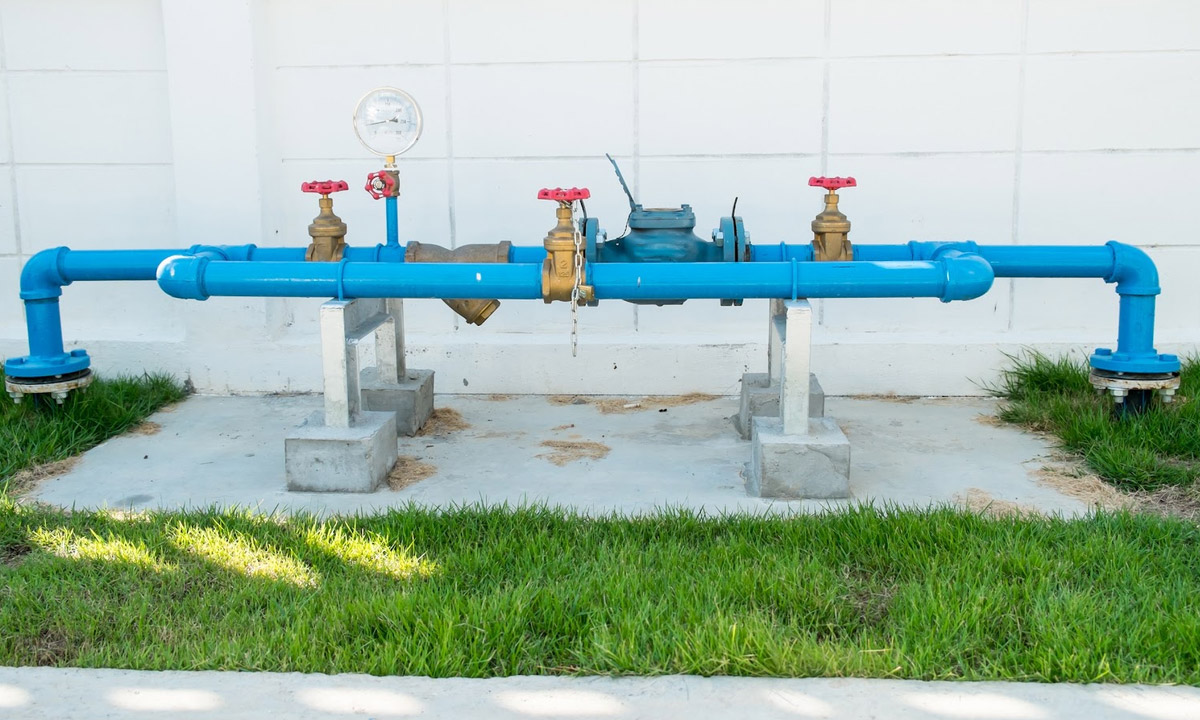
Backflow prevention assemblies help protect drinking water from contamination.
Many jurisdictions require:
- Annual testing
- Certification
- Documentation
Ensure devices remain accessible and are functioning properly.
Restaurant Plumbing Maintenance Checklist
Restaurants face unique plumbing challenges due to grease, food waste, and high-volume water usage.
Inspect Grease Traps
Grease traps should be monitored for:
- Excess grease accumulation
- Odors
- Slow drainage
- Overflow conditions
Neglected grease traps are one of the most common causes of commercial plumbing emergencies.
Review Grease Trap Cleaning Schedule
Verify that grease trap cleaning occurs according to:
- Local regulations
- Manufacturer recommendations
- Actual usage levels
Facilities with high food production volumes may require more frequent service.
Check Floor Drains
Restaurant floor drains should be inspected regularly for:
- Blockages
- Standing water
- Foul odors
- Damaged grates
Floor drain issues can create sanitation concerns and safety hazards.
Inspect Commercial Dishwashing Equipment
Check:
- Supply lines
- Drain connections
- Shut-off valves
- Water temperatures
Leaks around commercial kitchen equipment can quickly lead to water damage and operational disruptions.
Semi-Annual Commercial Plumbing Maintenance Checklist
Perform Sewer Camera Inspections
Commercial sewer lines can develop problems that remain hidden until backups occur.
A sewer camera inspection can identify:
- Grease buildup
- Root intrusion
- Pipe damage
- Bellied pipes
- Structural defects
Early detection helps avoid expensive emergency repairs.
Schedule Hydro Jetting Services
Hydro jetting uses high-pressure water to remove buildup from commercial drain and sewer lines.
Benefits include:
- Improved drainage
- Reduced backups
- Removal of grease deposits
- Elimination of debris accumulation
Restaurants and food service facilities often benefit significantly from periodic hydro jetting.
Evaluate Water Usage Trends
Unexpected increases in water consumption may indicate:
- Hidden leaks
- Running fixtures
- Irrigation issues
- Equipment malfunctions
Monitoring utility bills can help identify developing problems.
Annual Commercial Plumbing Maintenance Checklist
Conduct a Full Plumbing System Inspection
A comprehensive plumbing inspection should include:
- Water supply lines
- Drain systems
- Sewer lines
- Water heaters
- Backflow devices
- Fixtures
- Valves
- Pumps
Professional inspections often identify issues before they become emergencies.
Test Backflow Prevention Assemblies
Many municipalities require annual testing and certification of backflow prevention devices.
Failure to comply can result in:
- Fines
- Service interruptions
- Compliance violations
Inspect Commercial Water Heaters
Annual water heater maintenance may include:
- Flushing sediment
- Testing safety controls
- Inspecting burners
- Checking heating elements
- Verifying venting systems
Proper maintenance helps maximize equipment lifespan and efficiency.
Review Emergency Plumbing Procedures
Every facility should have a documented plan for plumbing emergencies.
Employees should know:
- Shut-off valve locations
- Emergency contact information
- Procedures for reporting leaks
- After-hours service contacts
Preparation can significantly reduce damage during emergencies.
Common Warning Signs That Require Immediate Attention
Contact a commercial plumber immediately if you notice:
- Sewer odors
- Recurring drain backups
- Water stains on walls or ceilings
- Sudden drops in water pressure
- Unusually high water bills
- Standing water around plumbing equipment
- Grease trap overflows
- Sewage backups
- Burst pipes
- Water heater leaks
Ignoring these warning signs often results in larger and more expensive repairs.
Create a Preventative Maintenance Program
The most successful commercial properties don’t wait for plumbing emergencies to occur. Instead, they implement preventative maintenance programs that identify problems early and keep systems operating efficiently year-round.
The ideal maintenance schedule varies based on:
- Property type
- Occupancy levels
- Plumbing system age
- Water usage
- Industry requirements
A customized maintenance plan can help reduce costs, improve reliability, and minimize disruptions to daily operations.
Professional Commercial Plumbing Maintenance Services
At WM Plumbing, we provide comprehensive commercial plumbing maintenance services throughout Miami-Dade County. Our team works with restaurants, retail centers, office buildings, warehouses, industrial facilities, apartment complexes, and other commercial properties to help prevent plumbing emergencies and keep operations running smoothly.
From grease trap cleaning and backflow testing to sewer inspections, hydro jetting, water heater maintenance, and preventative service programs, we help businesses protect their plumbing systems and avoid costly downtime. Regular maintenance is one of the smartest investments a business can make—and our team is here to help every step of the way.