Leasing a Restaurant? Check the Plumbing First

Leasing a restaurant is exciting. You may have found the perfect location with plenty of foot traffic, a great dining area, and a kitchen that looks ready to go. It’s easy to focus on the dining room layout, parking, or the condition of the cooking equipment. However, one of the most important parts of the building is often hidden behind walls, under floors, and above ceilings: the plumbing.
Plumbing problems can quickly turn a dream restaurant into an expensive headache. Before signing a lease, taking a close look at the plumbing system can save you thousands of dollars and unexpected delays. A little due diligence upfront is much easier than dealing with emergency repairs later.
Plumbing Is the Backbone of Every Restaurant
Unlike many other businesses, restaurants rely on plumbing every single day. Water is needed for cooking, cleaning, handwashing, dishwashing, beverage stations, restrooms, and more. Every sink, dishwasher, ice machine, and floor drain depends on a plumbing system that works properly.
If something goes wrong, it doesn’t just slow down business, it can bring operations to a halt. Health departments also have strict sanitation requirements, meaning plumbing issues can sometimes lead to failed inspections or temporary closures.
Don’t Assume Everything Works
Just because the previous tenant operated a restaurant doesn’t mean the plumbing is still in good condition. Equipment may have been neglected, pipes may have developed leaks, or fixtures may simply be worn out from years of heavy use.
Some restaurant spaces may have sat vacant for months or even years. During that time, small plumbing issues can become much bigger problems without anyone noticing. Always ask when the plumbing was last inspected or repaired. If the landlord can’t provide much information, consider hiring a licensed plumber to perform a professional inspection before signing the lease.
Check Water Pressure Throughout the Building
Low water pressure may seem like a small inconvenience, but in a restaurant it can create daily frustrations. Employees need strong, consistent water flow to wash dishes, rinse food, clean equipment, and keep up during busy meal periods. Weak water pressure can slow down kitchen operations and increase labor time.
Turn on multiple faucets if possible. Flush the toilets while running sinks to see if the pressure changes dramatically. If water pressure seems inconsistent, there could be underlying plumbing issues that need attention.
Look for Signs of Leaks
Some leaks are obvious, while others stay hidden for months. Take your time walking through the building and look for warning signs such as:
- Water stains on ceilings or walls
- Soft or damaged flooring
- Musty odors
- Mold or mildew
- Damp cabinets beneath sinks
Even a slow leak can cause expensive damage over time. Water can weaken flooring, ruin drywall, and create an environment where mold grows. Finding these issues before signing a lease gives you the opportunity to negotiate repairs or ask important questions.
Ask About the Grease Trap
One of the biggest plumbing differences between restaurants and other businesses is the grease trap. Grease traps collect fats, oils, and grease before they enter the sewer system. Without one, grease can clog pipes and create serious plumbing problems. Ask questions like:
- How old is the grease trap?
- How often is it cleaned?
- Has it caused problems in the past?
A neglected grease trap can lead to foul odors, backups, and costly repairs. Regular maintenance is essential for keeping everything flowing properly.
Don’t Forget the Kitchen Drains
Kitchen drains handle an enormous amount of water every day. Run water in every sink and watch how quickly it drains. Listen for gurgling sounds or notice whether water backs up into nearby drains. These can all be signs of partial clogs or venting problems.
Floor drains should also be inspected. Standing water around floor drains may indicate drainage issues that could become much worse during busy service hours.
A Professional Inspection Is Worth the Investment
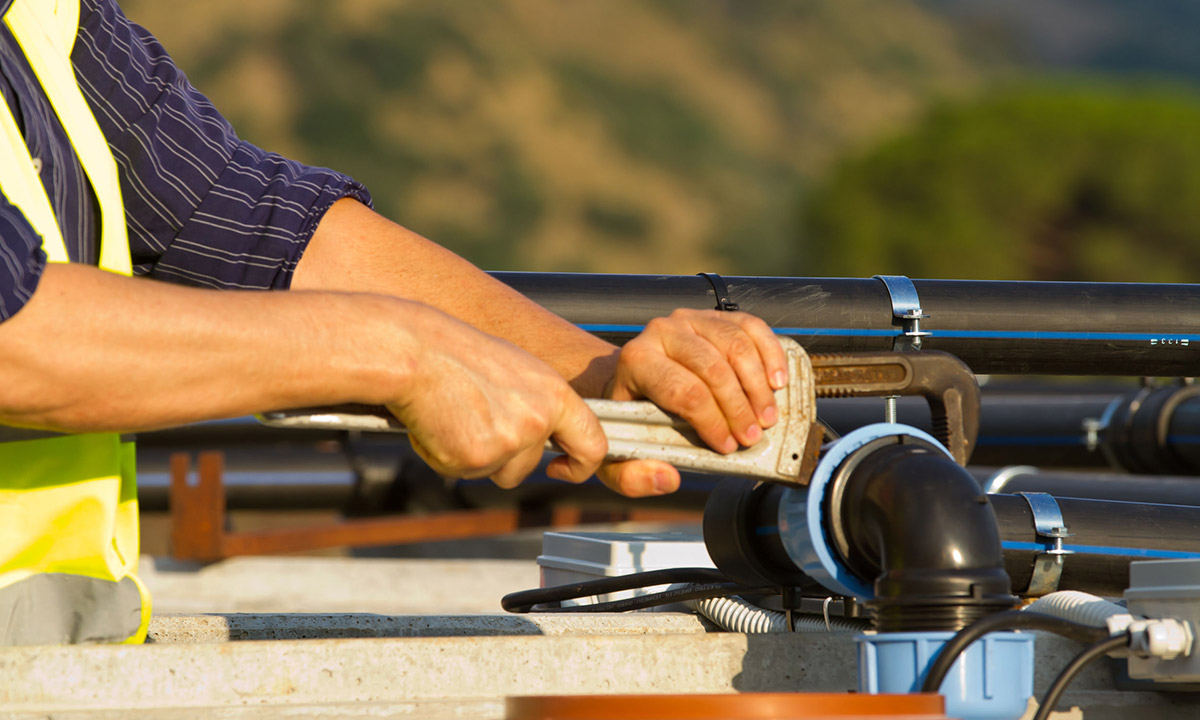
Hiring a licensed commercial plumber before signing a lease may cost a few hundred dollars, but it can reveal problems that would otherwise stay hidden. A professional can inspect water lines, drain systems, shut-off valves, water heaters, grease traps, and other important components. They may also identify plumbing code issues that should be addressed before you move in. That inspection fee is often a small price compared to replacing damaged pipes, repairing sewer lines, or dealing with emergency plumbing failures after your restaurant opens.
Leasing a restaurant involves much more than finding an attractive dining space. Behind every successful restaurant is a reliable plumbing system that keeps the kitchen running, employees productive, and customers comfortable. Taking the time to inspect the plumbing before signing a lease can help you avoid costly repairs, unexpected downtime, and stressful surprises. Ask questions, inspect carefully, and don’t hesitate to bring in a plumbing professional for a second opinion. A little preparation today can help ensure your restaurant opens smoothly and stays focused on serving great food instead of dealing with plumbing emergencies.