Common Reasons Businesses Fail Backflow Inspections
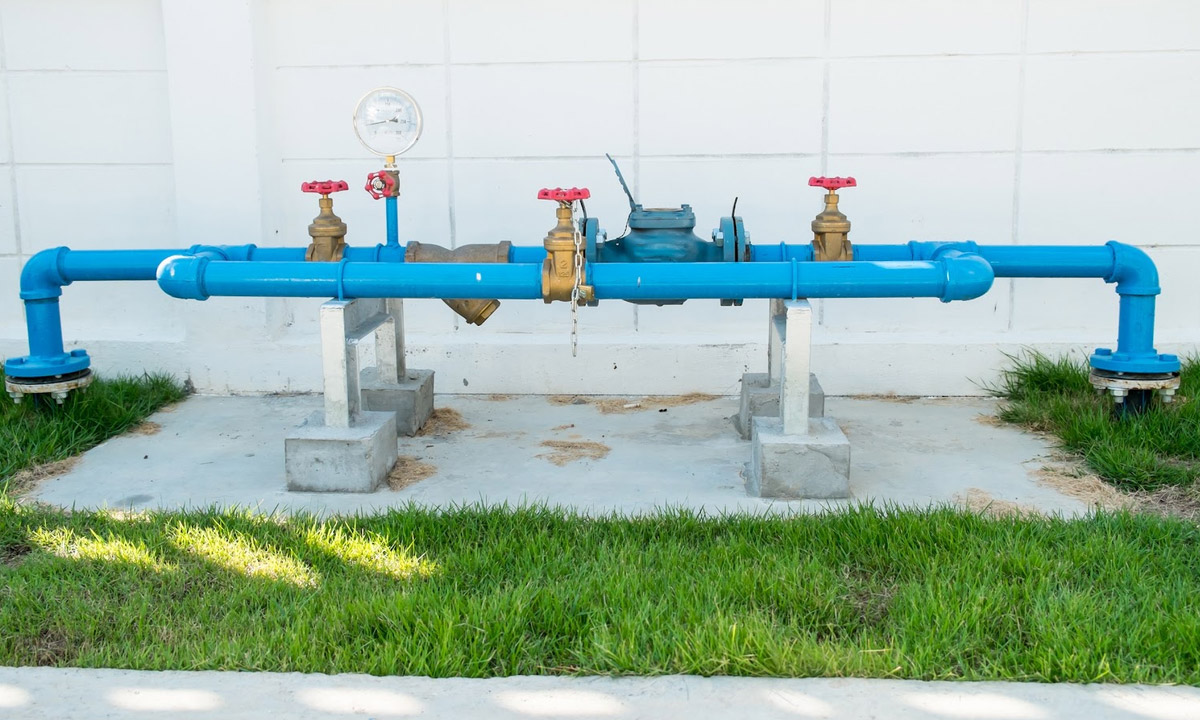
If you own or manage a commercial property, a backflow inspection is probably one of those tasks that ends up on your annual maintenance checklist. It’s easy to think of it as just another box to check, but these inspections play an important role in protecting the public water supply. When a backflow prevention device isn’t working correctly, contaminated water can flow backward into clean drinking water lines, creating a serious health risk.
Most businesses don’t fail backflow inspections because of major problems. In many cases, the issues are relatively simple and can be corrected quickly once they’re identified. Understanding the most common reasons for a failed inspection can help you avoid unnecessary repairs, delays, and repeat inspection fees.
What Is a Backflow Inspection?
A backflow prevention device is installed on your property’s water line to keep contaminated water from flowing back into the municipal water system. Businesses that use irrigation systems, commercial kitchens, fire sprinkler systems, boilers, or specialized equipment often have these devices installed.
During an inspection, a certified tester checks to make sure the device is operating properly, sealing correctly, and protecting the drinking water supply as intended. If the device isn’t working as designed, the inspection will be marked as a failure until repairs are made.
Worn-Out Internal Parts
Like any mechanical equipment, backflow preventers wear out over time. Inside the device are springs, rubber seals, valves, and other components that open and close every time water flows through the system. After years of use, these parts can become worn, cracked, or damaged. Even a small amount of wear can prevent the device from sealing properly, causing it to fail testing. Regular maintenance helps catch these issues before inspection day.
Debris Inside the Device
Water isn’t always perfectly clean. Small pieces of dirt, sand, rust, or mineral deposits can collect inside a backflow preventer over time. When debris gets trapped inside the valves, they may not close completely. That tiny obstruction is often enough to prevent the device from passing its pressure tests. Fortunately, cleaning the device or replacing affected components often solves the problem.
Lack of Routine Maintenance
Many businesses simply forget their backflow preventer exists until inspection time. Unlike equipment that’s used every day, a backflow preventer works quietly in the background. Because it’s out of sight, it’s also easy to overlook. Years without maintenance can allow small problems to become much larger ones. Annual servicing helps identify worn parts before they lead to an inspection failure. Think of it like changing the oil in your vehicle. Preventive maintenance costs much less than major repairs later.
Corrosion and Rust
Backflow preventers are constantly exposed to water, changing temperatures, and outdoor conditions. Over time, corrosion can develop on metal components, especially if the device is older. Rust may weaken the housing or interfere with moving parts inside the assembly. Mineral buildup from hard water can also reduce performance. Regular inspections help catch corrosion before it reaches the point where replacement becomes necessary.
Leaks Around the Device
Visible leaks are one of the easiest warning signs to spot. If water is dripping from relief valves, fittings, or other parts of the assembly, something isn’t working correctly. While some leaks may seem minor, they often indicate worn seals, damaged valves, or excessive pressure within the system. Ignoring a small leak today can easily lead to a failed inspection later.
Damage from Accidents or Landscaping
Outdoor backflow preventers are sometimes damaged by vehicles, lawn equipment, snowplows, or landscaping work. A small impact can bend fittings, crack protective covers, or affect internal alignment without being immediately noticeable. If your backflow preventer is located in a parking lot or landscaped area, it’s worth checking it periodically for signs of physical damage.
Testing Records Are Missing
In some areas, passing a backflow inspection isn’t just about the device itself. Proper documentation matters too. If required testing records, certifications, or maintenance reports are missing, you may encounter compliance issues even if the equipment is functioning correctly. Keeping organized records makes future inspections much smoother.
How Businesses Can Avoid Inspection Failures
Most backflow inspection failures are preventable with a little proactive care. Scheduling annual testing before the deadline gives you time to make repairs if needed. Periodically checking the device for leaks, visible damage, or corrosion can also help catch problems early.
Working with a certified backflow testing professional can make a difference. They can identify developing issues, recommend repairs, and help ensure your system remains compliant with local regulations.
A failed backflow inspection can be frustrating, but it’s ultimately designed to protect your business, your customers, and the community’s drinking water. Most failures are caused by normal wear, lack of maintenance, or relatively minor mechanical issues, not major equipment failure.
By treating your backflow preventer like any other important piece of building equipment and giving it regular attention, you’ll reduce the chances of unexpected inspection failures, avoid costly emergency repairs, and help ensure your water system continues operating safely year after year.