FOG (Fats, Oils & Grease) Compliance for Miami Businesses

If you run a restaurant, café, food truck, or any kind of food service business in Miami, you’ve probably heard the term FOG come up more than once. It stands for fats, oils, and grease, and while it might seem harmless when it’s hot and liquid, it can cause serious problems once it cools down. For cities like Miami, where the sewer system already works overtime, managing FOG isn’t just a suggestion, it’s a requirement. Let’s take a look at what the rules are and how to stay in compliance.
Why FOG Is a Big Deal
Picture pouring bacon grease down the sink. It flows easily at first, but as it cools, it thickens and sticks to the inside of your pipes. Over time, that buildup grows, catching other debris and eventually leading to clogs. Now imagine that happening not just in your building, but throughout the city’s sewer system. That’s how you end up with messy, expensive backups, sometimes even spilling into streets or nearby waterways. For a place like Miami, with its coastal environment and tourism-driven economy, that’s a problem no one wants.
What FOG Compliance Actually Means
FOG compliance is basically a set of rules designed to keep grease out of the sewer system. If your business prepares food, you’re expected to take steps to capture and properly dispose of fats, oils, and grease before they go down the drain. This usually involves installing and maintaining a grease trap or grease interceptor. These devices are designed to catch grease while letting water pass through. Sounds simple enough, but there’s more to it than just having one installed.
Grease Traps: Not a Set It and Forget It Solution
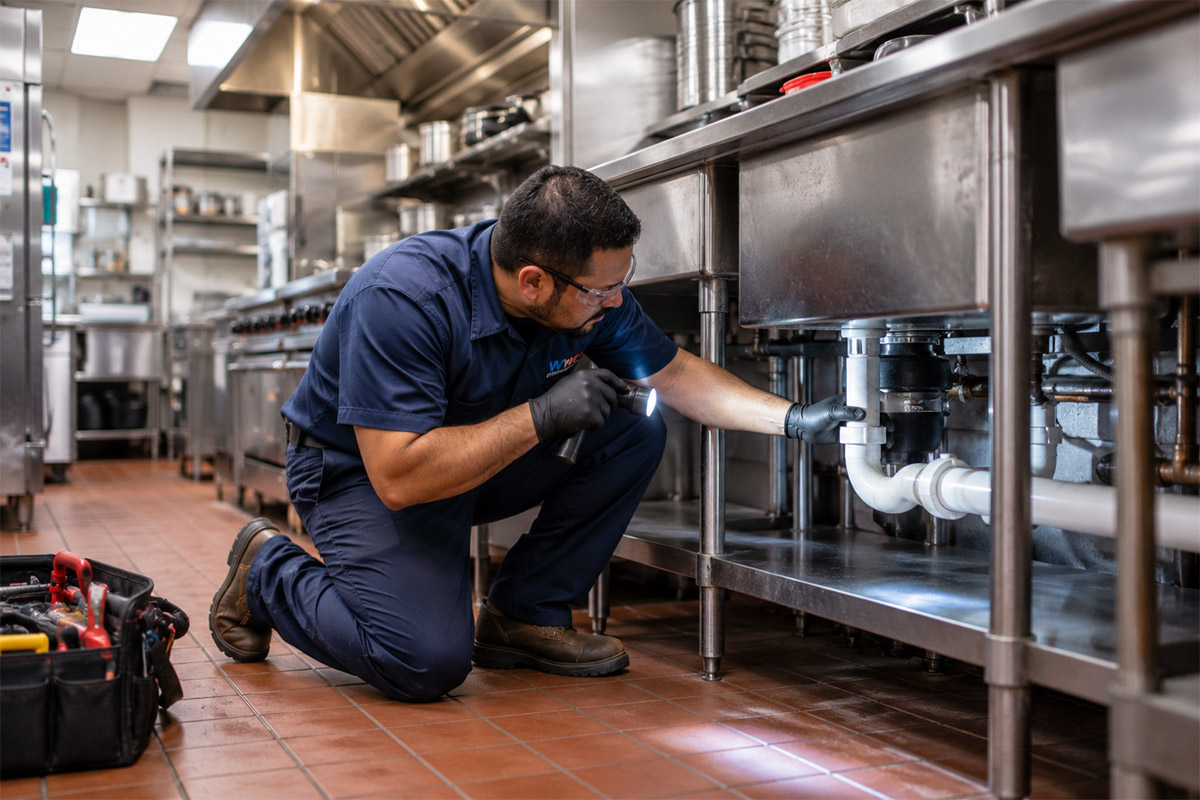
A common mistake business owners make is assuming that once a grease trap is in place, the job is done. In reality, these systems need regular cleaning and maintenance to work properly. When a grease trap fills up, it stops doing its job. That’s when grease starts slipping through into the sewer system, and that’s exactly what inspectors are looking for.
Keeping a regular cleaning schedule isn’t just good practice, it’s essential for staying compliant. Depending on your business volume, this could mean cleaning it monthly or even more often.
Inspections and Paperwork
Miami doesn’t just take your word for it when it comes to FOG compliance. Businesses are often required to keep records of grease trap maintenance and disposal. Think of it as proof that you’re doing your part. Inspectors may stop by to check your system, review your logs, and make sure everything is functioning properly. If something’s off, like an overfilled trap or missing records, you could be looking at fines or other penalties.
Simple Habits That Make a Big Difference
Compliance isn’t only about equipment. Day-to-day habits in your kitchen play a huge role too. Training your staff to scrape food and grease into the trash instead of rinsing it down the sink can go a long way. Using strainers in sinks and avoiding dumping cooking oil directly into drains are small steps that add up over time. Some businesses even keep designated containers for used oil, which can be picked up and recycled. It’s cleaner, safer, and often required.
What Happens If You Don’t Comply?
Ignoring FOG regulations can get expensive fast. Fines, plumbing repairs, emergency cleanups, and even temporary shutdowns are all possibilities. Beyond the financial hit, there’s also the risk to your reputation. Customers may not see what’s happening behind the scenes, but health and safety violations can quickly become public.
Staying compliant doesn’t have to be complicated. It comes down to consistency, regular maintenance, proper training, and keeping accurate records. If you’re ever unsure, working with a local plumbing professional or grease management service can take a lot of the guesswork out of the process. They can help set up a schedule and make sure everything is running as it should.
FOG compliance might not be the most exciting part of running a business, but it’s one of those things that quietly protects everything else, from your plumbing to the city’s infrastructure. In a place like Miami, where restaurants are everywhere and the pressure on the sewer system is high, doing your part matters. Stay on top of it, and you’ll avoid headaches down the road while keeping your business running smoothly.